



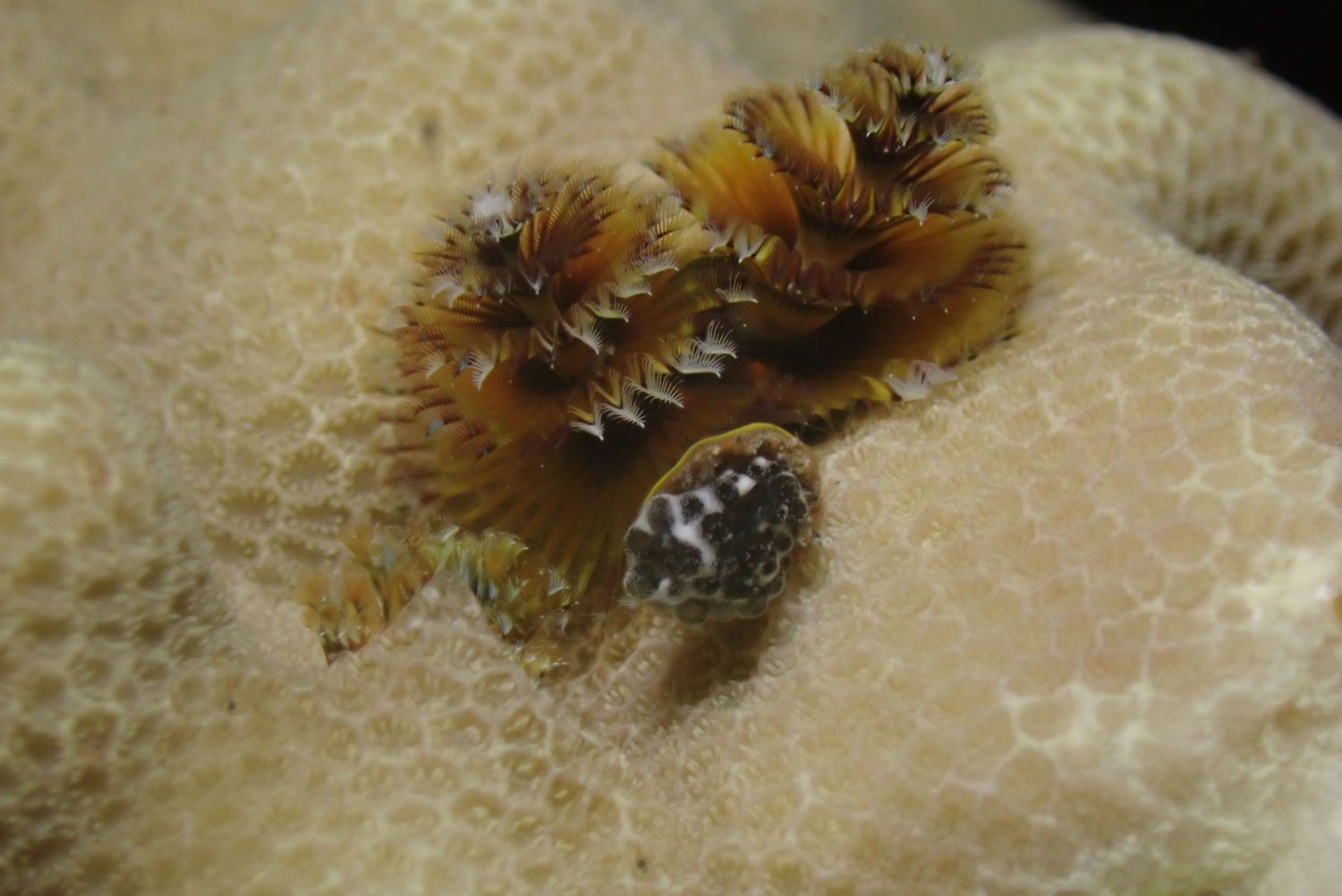
Dive Curious. Discover what others miss. Mission Recap Most of the animals we notice on a coral reef are the ones swimming above it, crawling across it, or sitting somewhere we can easily see. However, much of the reef community lives somewhere else. That was the mission for our fourth Science Friday: Hidden in the Reef. Instead of looking across the reef, we spent two dives looking into it. We searched beneath ledges, inside holes, between coral branches, along lava tube ceilings, and into the cracks and crevices that can be easy to swim past. Among what we found were marbled shrimp and pied brittle stars tucked deep inside the reef; colonies of orange cup coral growing from lava tube ceilings, christmas tree worms filtering food from the water, yellow spotted guard crab living among coral branches, and even a hawaiian day octopus. A coral reef is filled with small habitats hidden within the larger landscape. A hole only a few inches across can offer protection from predators, while the space between coral branches can provide both shelter and access to food. Beneath an overhang, reduced light creates conditions that favor organisms able to live without direct sunlight, while water moving through a narrow crevice can carry suspended food for animals waiting inside. Ecologists often describe these localized environments as microhabitats. Small differences in light, water flow, exposure, available space, and protection can create very different living conditions within only a few feet of reef, helping determine which organisms are able to live there. Once we started searching those spaces, organisms that are normally easy to overlook began appearing everywhere. Hiding Until Dark
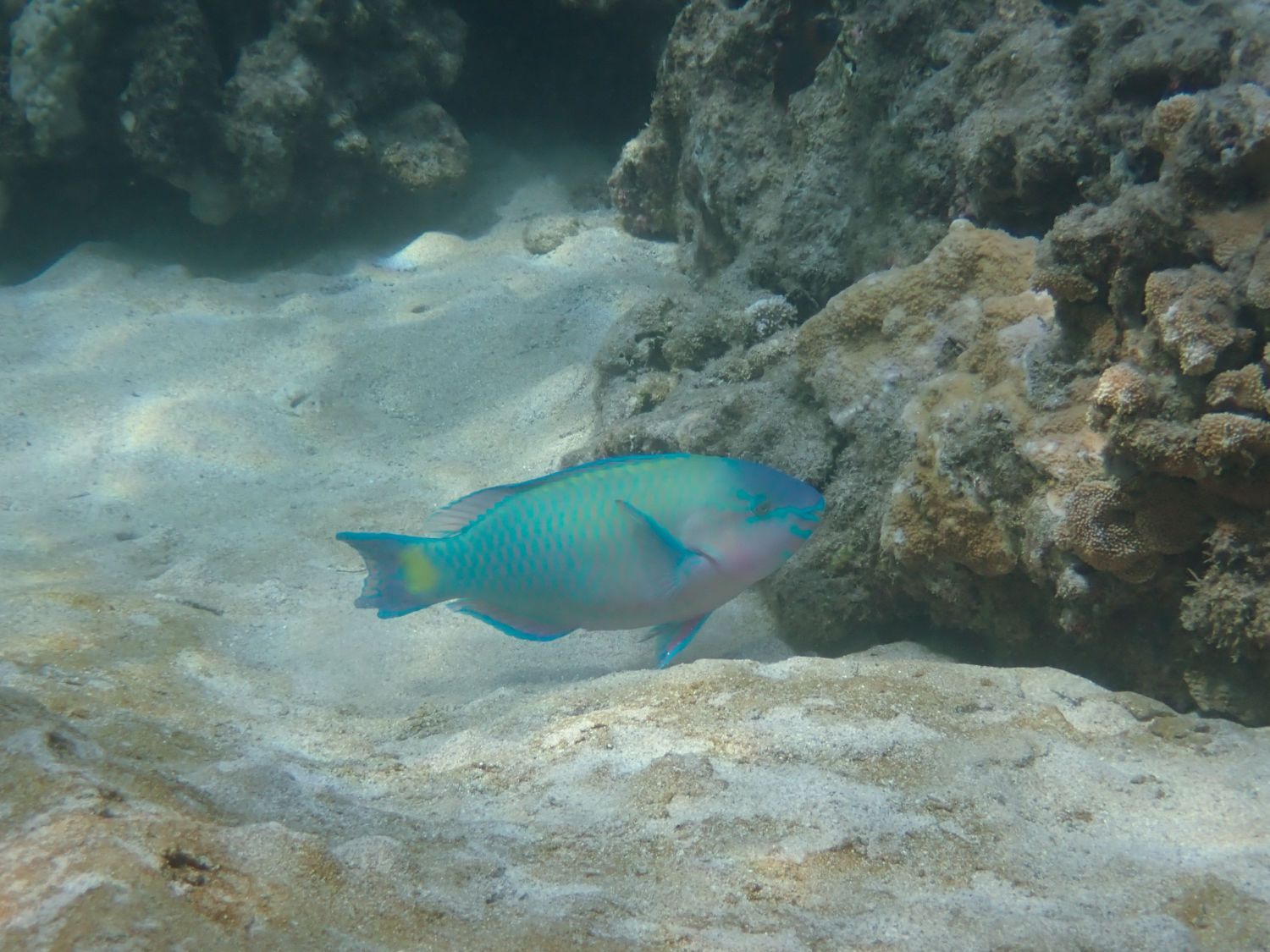
Dive Curious. Discover what others miss. Mission Recap There are a lot of organisms eating algae on a coral reef, but they are not all doing the same ecological job. Rather than simply looking for herbivores, our mission was to observe different grazers and compare how each one removes material from the reef. Over two dives, we came across a variety of grazers, from yellow tangs, to goldring surgeonfish, to parrotfish, to urchins. All of them interact with algae in some way, but once we began paying closer attention to how they feed, the word “grazer” became more complex. Not All Grazers Graze the Same Way Herbivory is one of the processes that helps to shape a coral reef. By removing algae, herbivores can influence how much space and light are available on the reef and which organisms are able to occupy the substrate. But different herbivores target different types of algae and remove them in different ways. Some fish crop algae from the surface, while others scrape tightly attached algal turf from hard substrate. Some browse larger fleshy algae. Sea urchins use a five-toothed feeding structure rasp material from the reef. So instead of asking, “What is eating algae?”, we began to ask a more useful questions: What does each feeding strategy do to the reef surface? Parrotfish Scraping the Reef
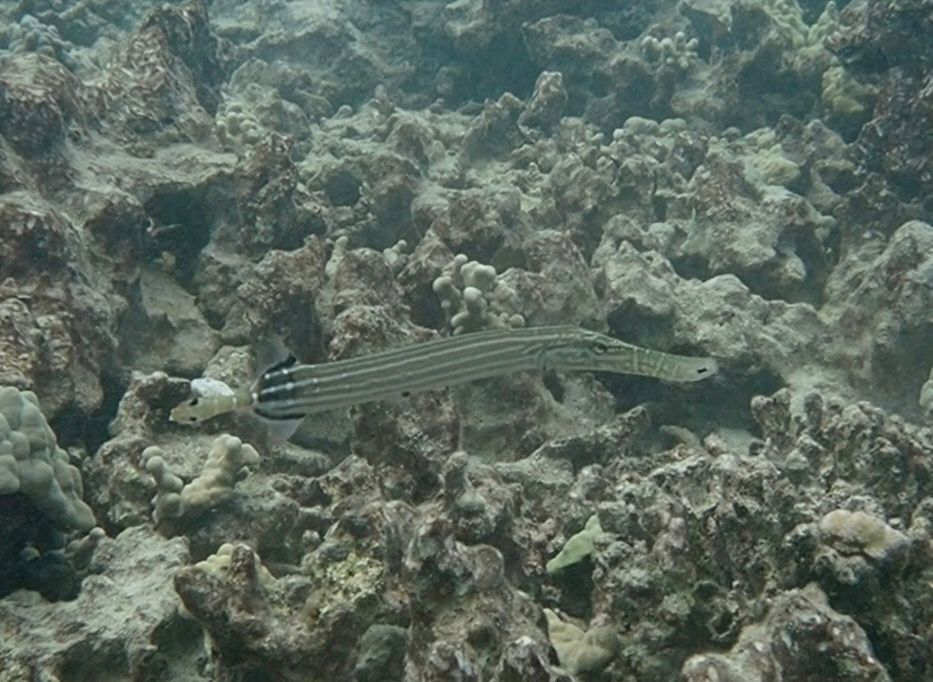
Dive curious. Discover what others miss. Mission Recap Sometimes the best way to survive on a coral reef is to make sure nobody notices you are there. For our second Science Friday, we went looking for critters doing exactly that. Our mission for Masters of Disguise was to observe organisms using different strategies to avoid being noticed. Over two dives, we found marine life disappearing against rocks, changing their appearance, and even covering themselves with material from the reef. However, camouflage isn’t always just about hiding from predators. For some animals being difficult to see helps them get close enough to catch their prey. The Trumpetfish That Changed Before Our Eyes