


Kohala Divers Daily Descent: September 2026

Brad • October 3, 2026

Volume 1, Issue 1

Welcome to the first issue of the Kohala Divers Daily Descent , our monthly newsletter full of dive stories, upcoming events, and the gear that makes diving so much fun. September was an amazing month on the Kohala Coast, and October is shaping up to be even better. Here's what's happening.

Want the Daily Descent in your inbox every month? Join the Kohala Coast Dive Club.

Annual Tent Sale: Saturday, October 3

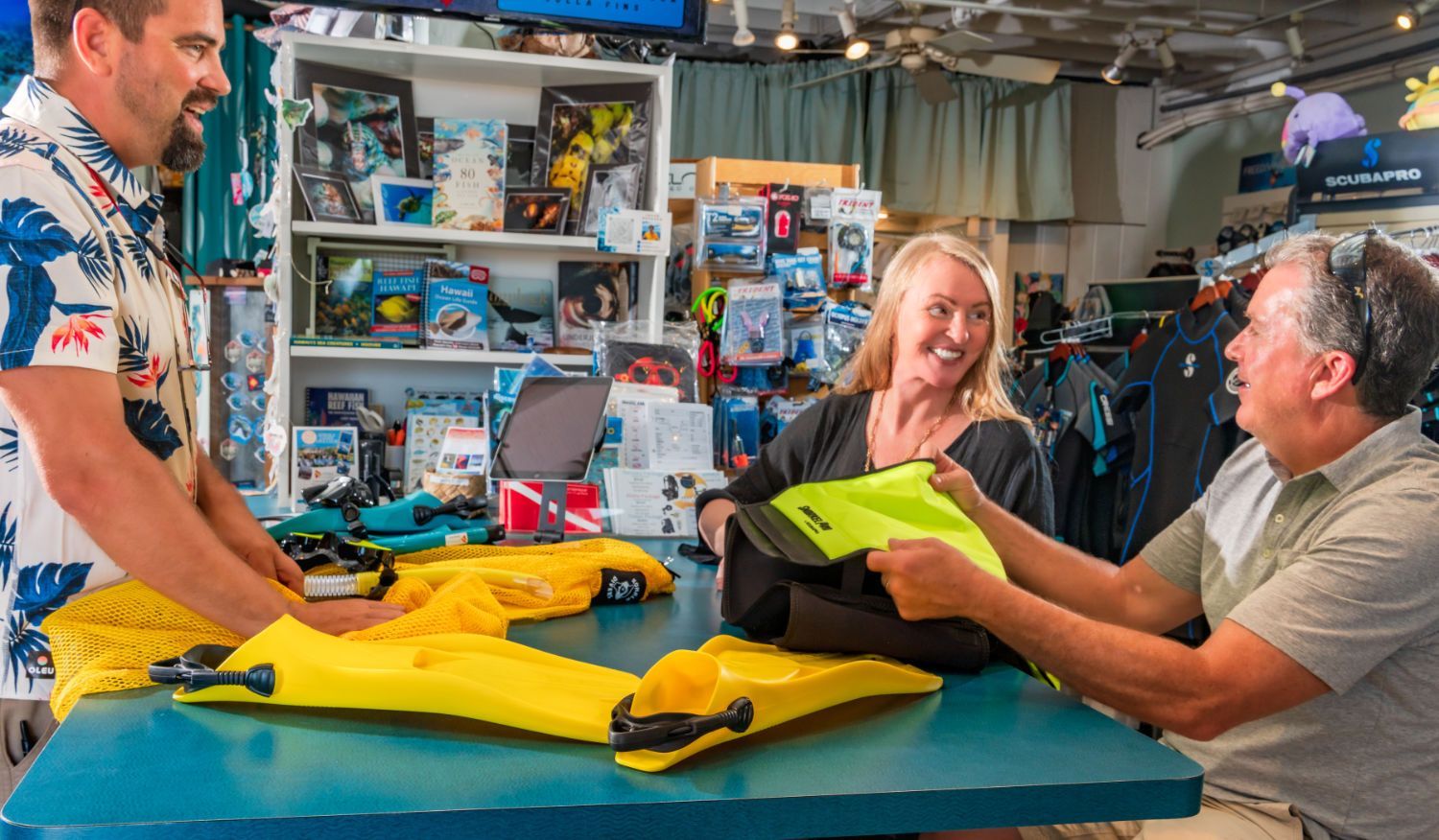
Our biggest sale of the year is this Saturday, October 3, from 8 am to 4 pm at the shop in Kawaihae. Expect huge deals on new and used gear, plus fill cards, tank rental cards, and whale watch gift cards. The Tent Sale also kicks off our new Ohana Loyalty Rewards program and a revamped Kohala Coast Dive Club. Grab your dive buddies and come hang out with us.

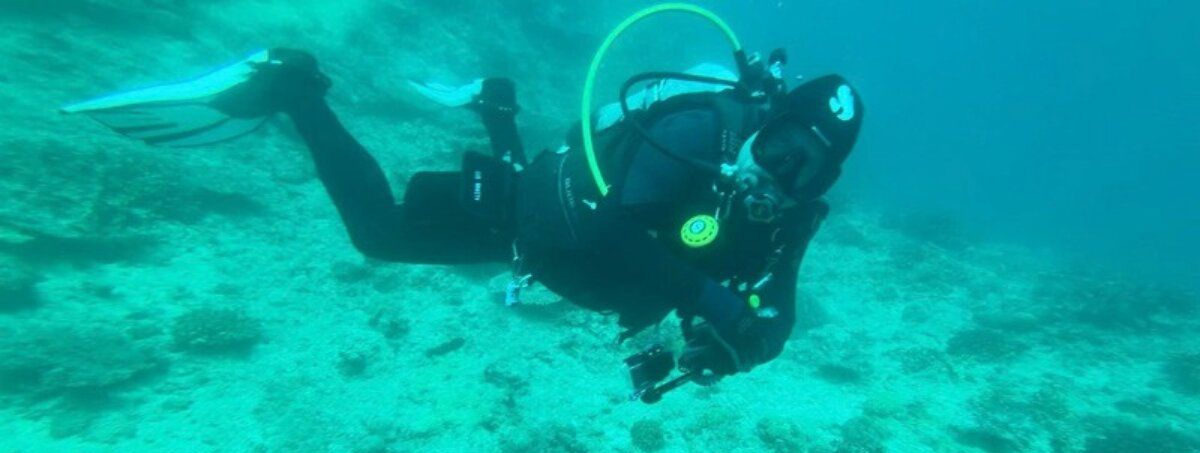
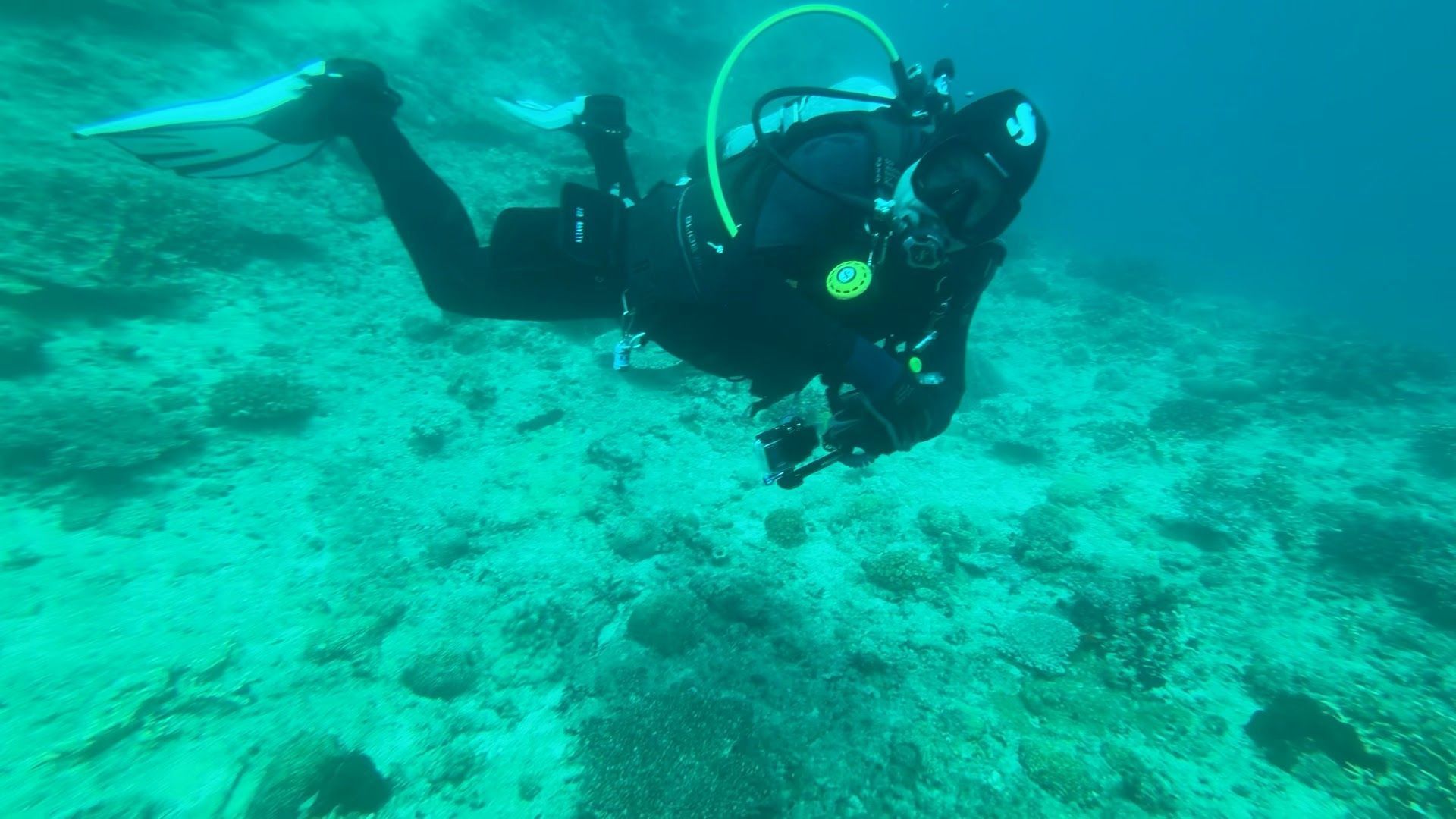
Kohala Coast Dive Buds: Meet Gunner

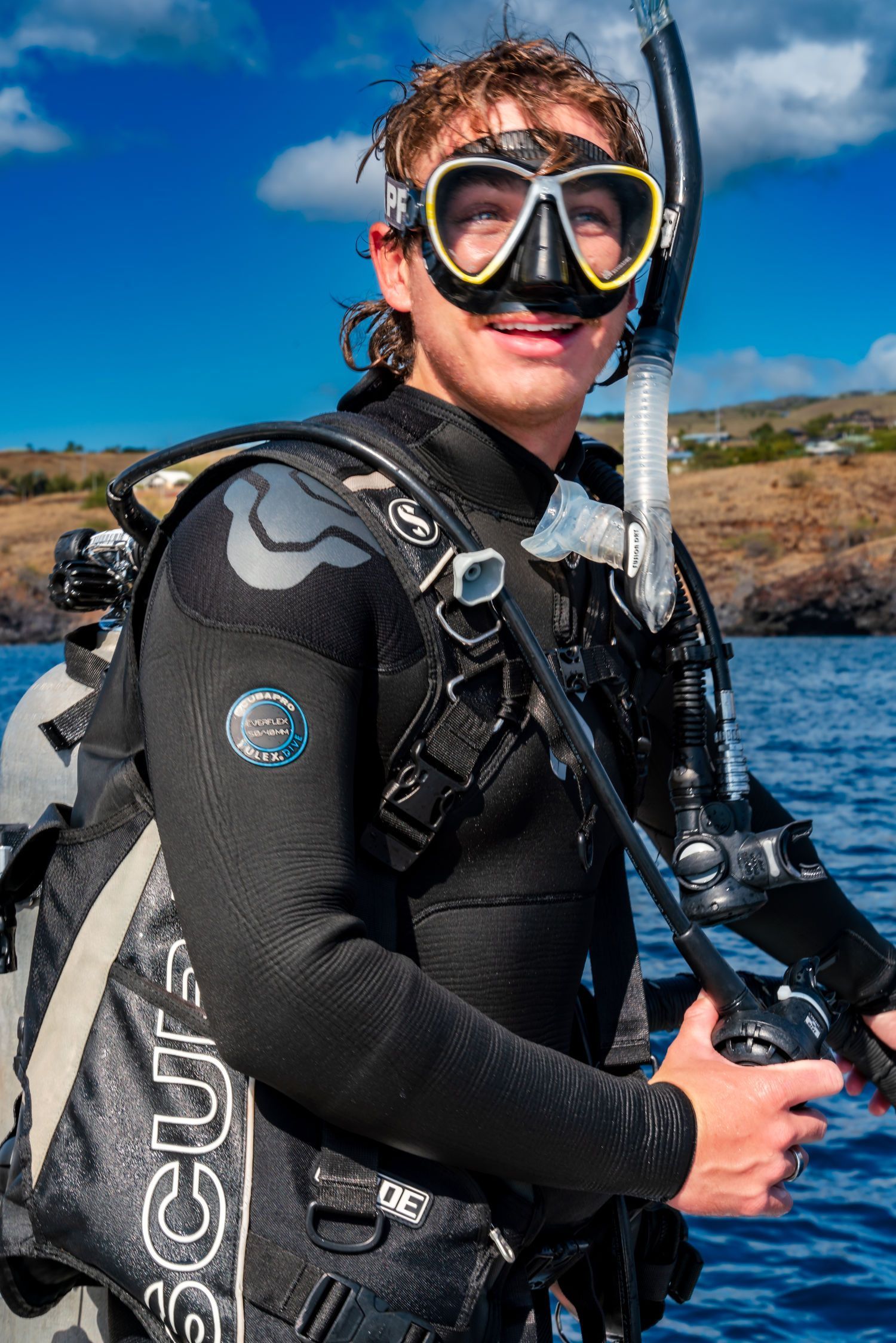
Every month we sit down with someone from our local dive community. This month it's Gunner, who keeps coming back to the water for the perfect balance of adventure and peace, and the chance to explore something new on every dive.

Science Friday Mission 005: Critter Buddy Systems

On the reef, it often pays to have a partner. Mission 005 looks at how different species team up, from relationships where both animals win to ones where one quietly takes advantage of the other.

Want to join a mission? Science Friday runs every Friday on our Two Site trip, alongside Serenity Sunday and Explore More Monday. See our Themed Dive Days.

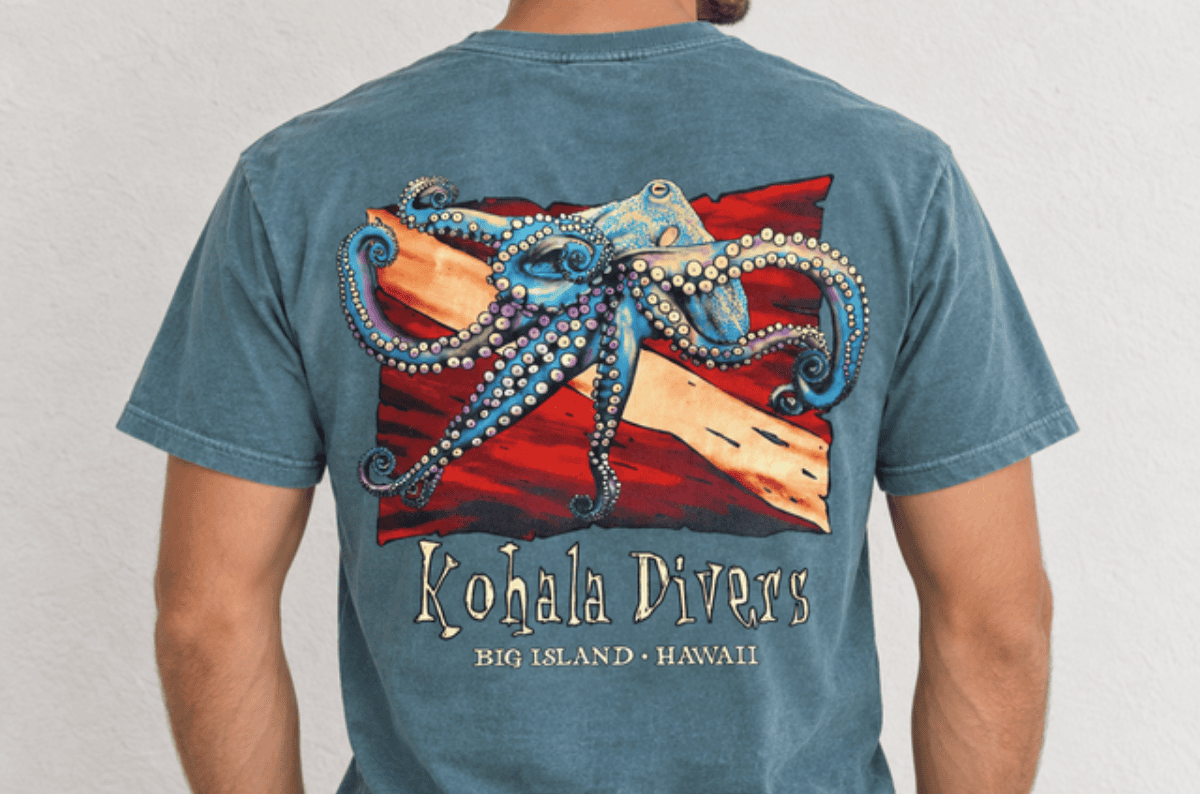
T-Shirt of the Month

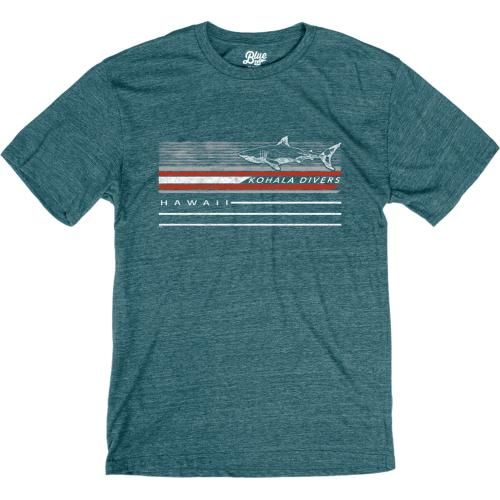
Our September T-Shirt of the Month is here. Not in town? No problem, you can grab it from our online store.

Crew Corner: A Truck in the Harbor

You never know what you'll come across on a dive day, but this one took "expect the unexpected" to a new level. Crew members Kay and Zach helped pull a truck out of Kawaihae Harbor.

Dive or Snorkel with Us

Ready to get in the water? Book our Two Site Dive and Snorkel trip, or call us at (808) 882-7774.

Happy diving!
Brad and the Kohala Divers crew

Gunner Ganske, Kohala Coast Dive Buds
By Brad • September 30, 2026
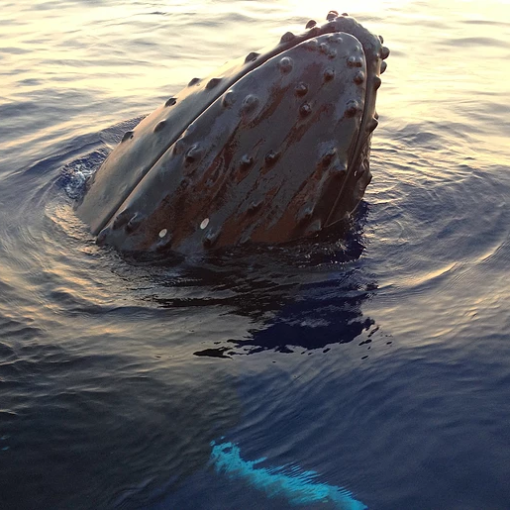
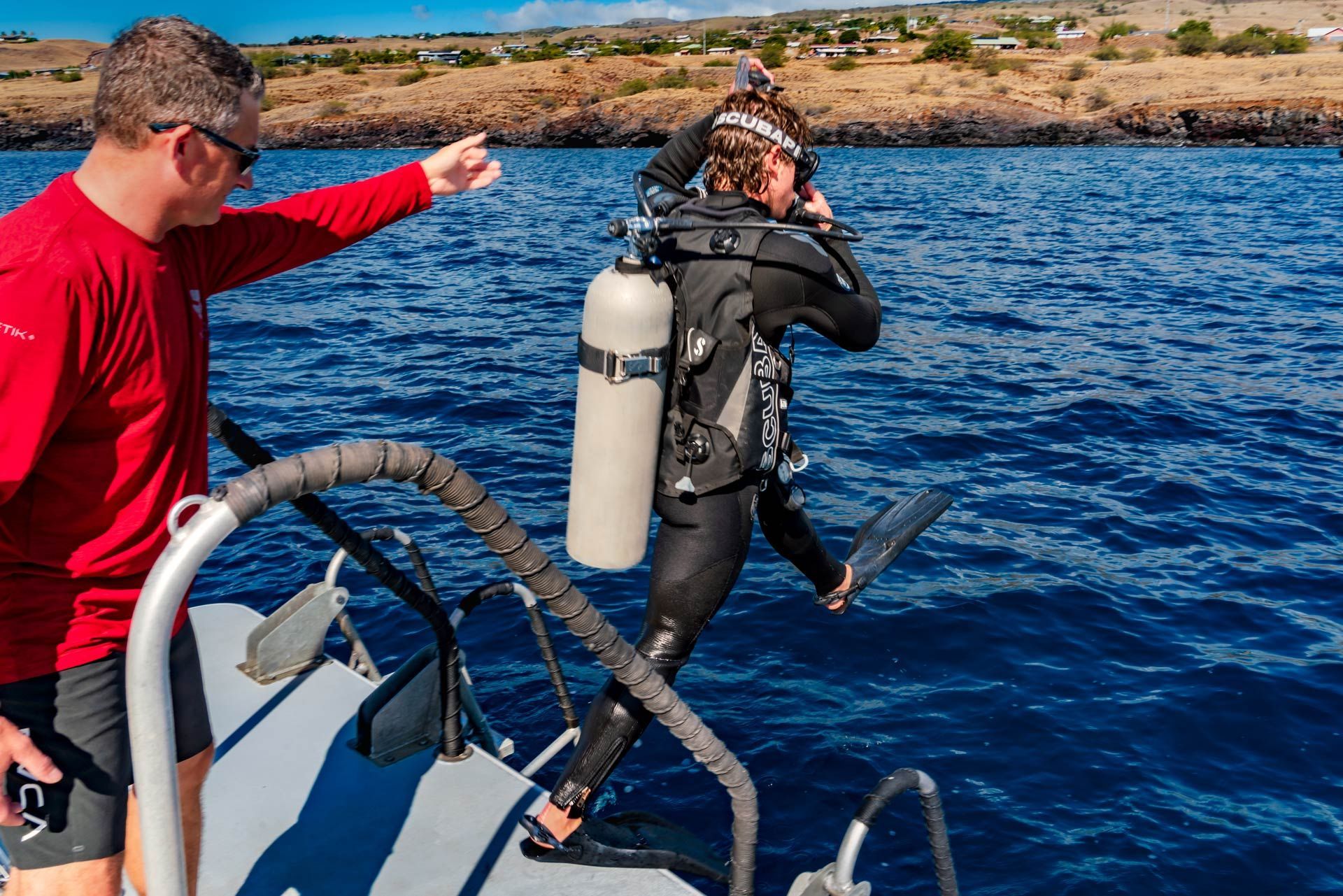
Meet Gunner Ganske, one of our Kohala Coast Dive Buds. Humpbacks at Mahukona, a curious monk seal, floating cash at Kapa'a, and more dive stories.
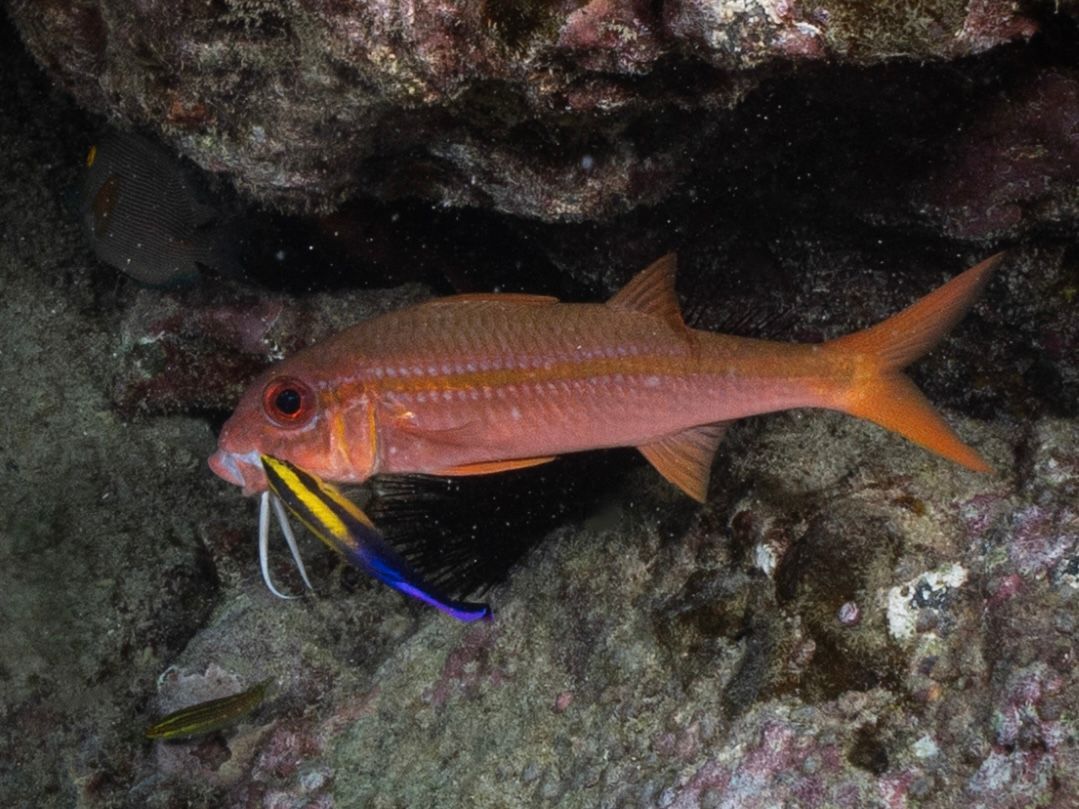
Hawaiian cleaner wrasse cleaning a goatfish at a reef cleaning station
By Brad • September 30, 2026
Cleaner wrasses, an octopus hunting with a goatfish, and goatfish guarding the exits for a moray. What we saw on Science Friday 005: Critter Buddy Systems.
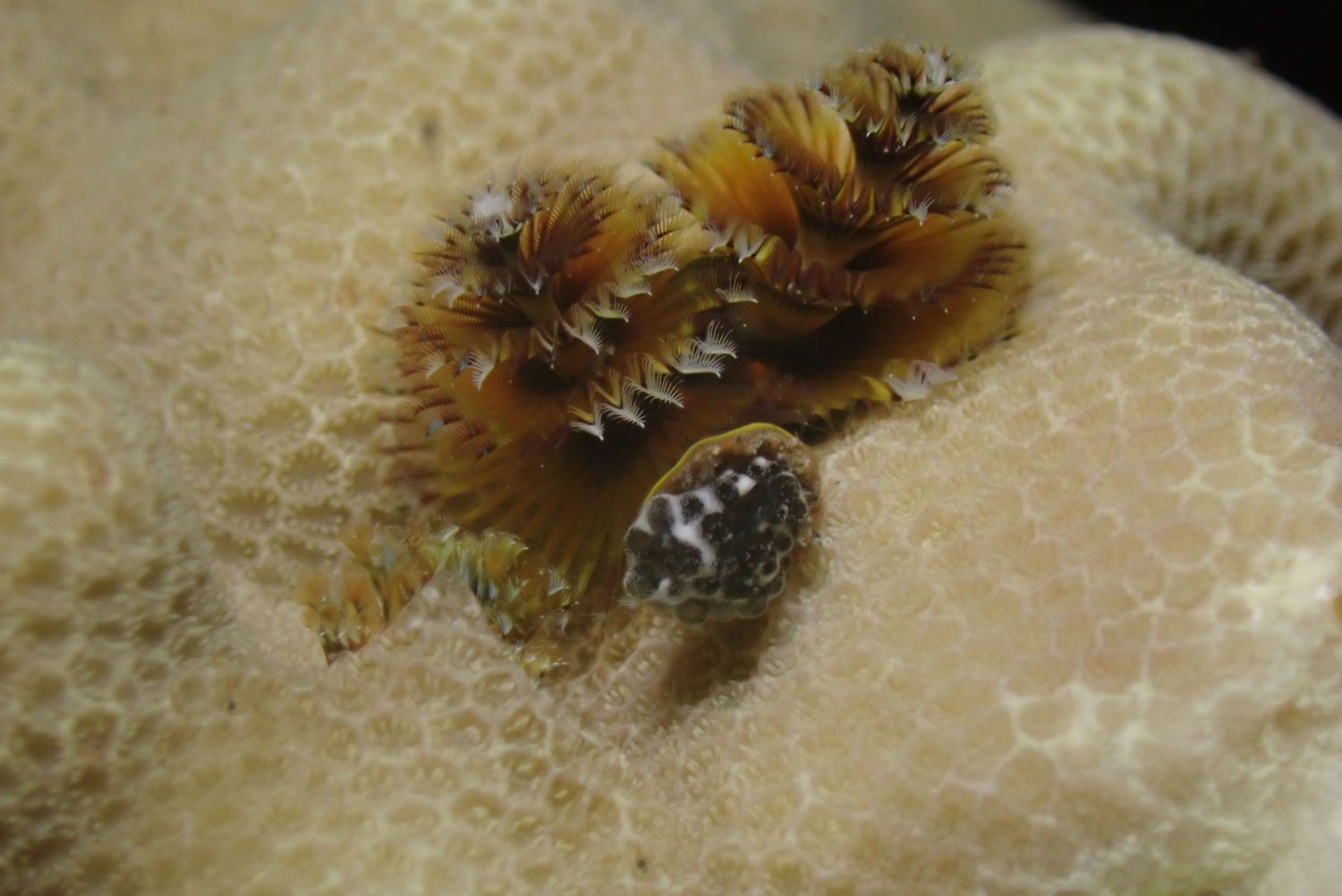
Close-up of a Worm Christmas Tree
By Brad • September 17, 2026
Dive Curious. Discover what others miss. Mission Recap Most of the animals we notice on a coral reef are the ones swimming above it, crawling across it, or sitting somewhere we can easily see. However, much of the reef community lives somewhere else. That was the mission for our fourth Science Friday: Hidden in the Reef. Instead of looking across the reef, we spent two dives looking into it. We searched beneath ledges, inside holes, between coral branches, along lava tube ceilings, and into the cracks and crevices that can be easy to swim past. Among what we found were marbled shrimp and pied brittle stars tucked deep inside the reef; colonies of orange cup coral growing from lava tube ceilings, christmas tree worms filtering food from the water, yellow spotted guard crab living among coral branches, and even a hawaiian day octopus. A coral reef is filled with small habitats hidden within the larger landscape. A hole only a few inches across can offer protection from predators, while the space between coral branches can provide both shelter and access to food. Beneath an overhang, reduced light creates conditions that favor organisms able to live without direct sunlight, while water moving through a narrow crevice can carry suspended food for animals waiting inside. Ecologists often describe these localized environments as microhabitats. Small differences in light, water flow, exposure, available space, and protection can create very different living conditions within only a few feet of reef, helping determine which organisms are able to live there. Once we started searching those spaces, organisms that are normally easy to overlook began appearing everywhere. Hiding Until Dark