



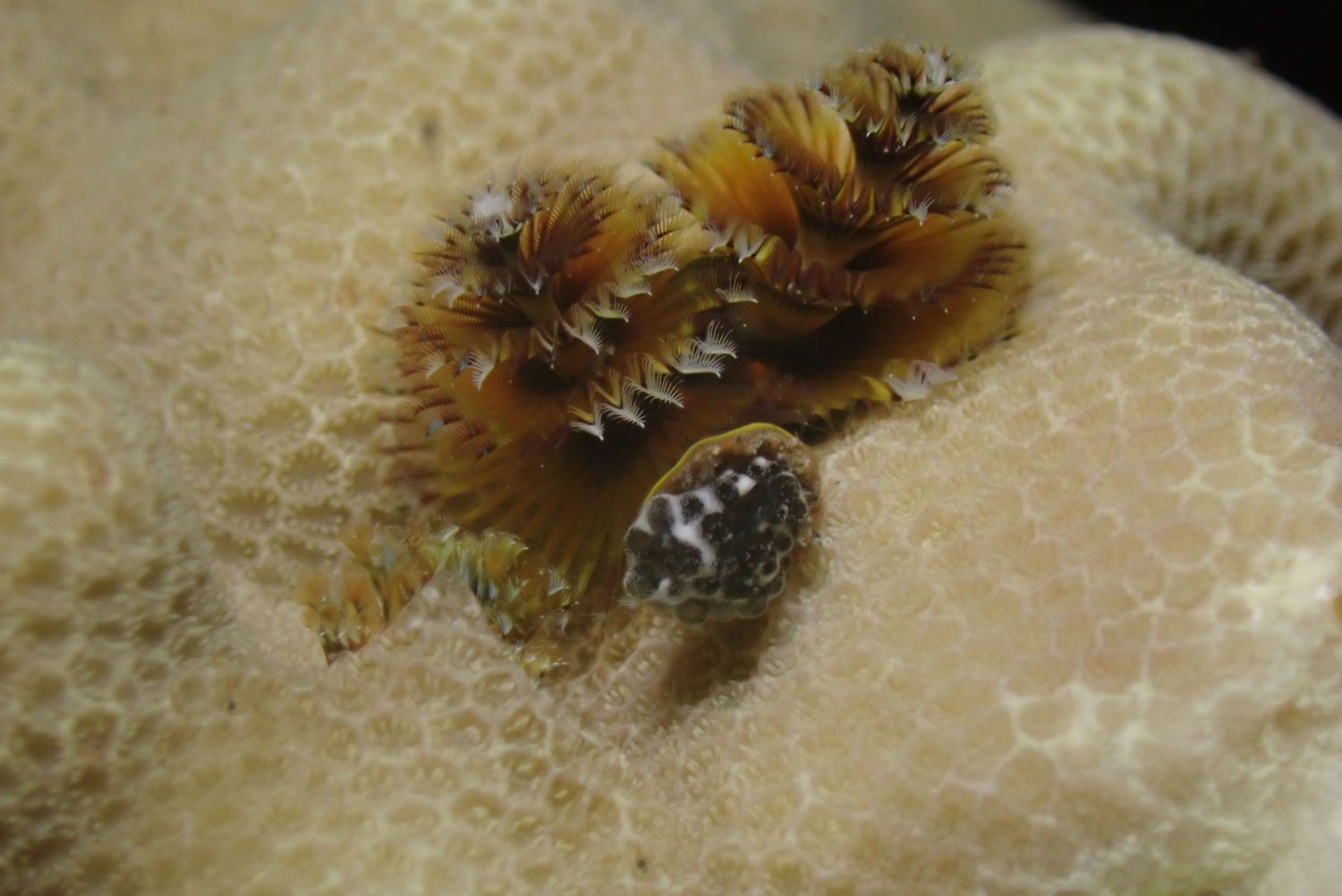
Dive Curious. Discover what others miss. Mission Recap Most of the animals we notice on a coral reef are the ones swimming above it, crawling across it, or sitting somewhere we can easily see. However, much of the reef community lives somewhere else. That was the mission for our fourth Science Friday: Hidden in the Reef. Instead of looking across the reef, we spent two dives looking into it. We searched beneath ledges, inside holes, between coral branches, along lava tube ceilings, and into the cracks and crevices that can be easy to swim past. Among what we found were marbled shrimp and pied brittle stars tucked deep inside the reef; colonies of orange cup coral growing from lava tube ceilings, christmas tree worms filtering food from the water, yellow spotted guard crab living among coral branches, and even a hawaiian day octopus. A coral reef is filled with small habitats hidden within the larger landscape. A hole only a few inches across can offer protection from predators, while the space between coral branches can provide both shelter and access to food. Beneath an overhang, reduced light creates conditions that favor organisms able to live without direct sunlight, while water moving through a narrow crevice can carry suspended food for animals waiting inside. Ecologists often describe these localized environments as microhabitats. Small differences in light, water flow, exposure, available space, and protection can create very different living conditions within only a few feet of reef, helping determine which organisms are able to live there. Once we started searching those spaces, organisms that are normally easy to overlook began appearing everywhere. Hiding Until Dark
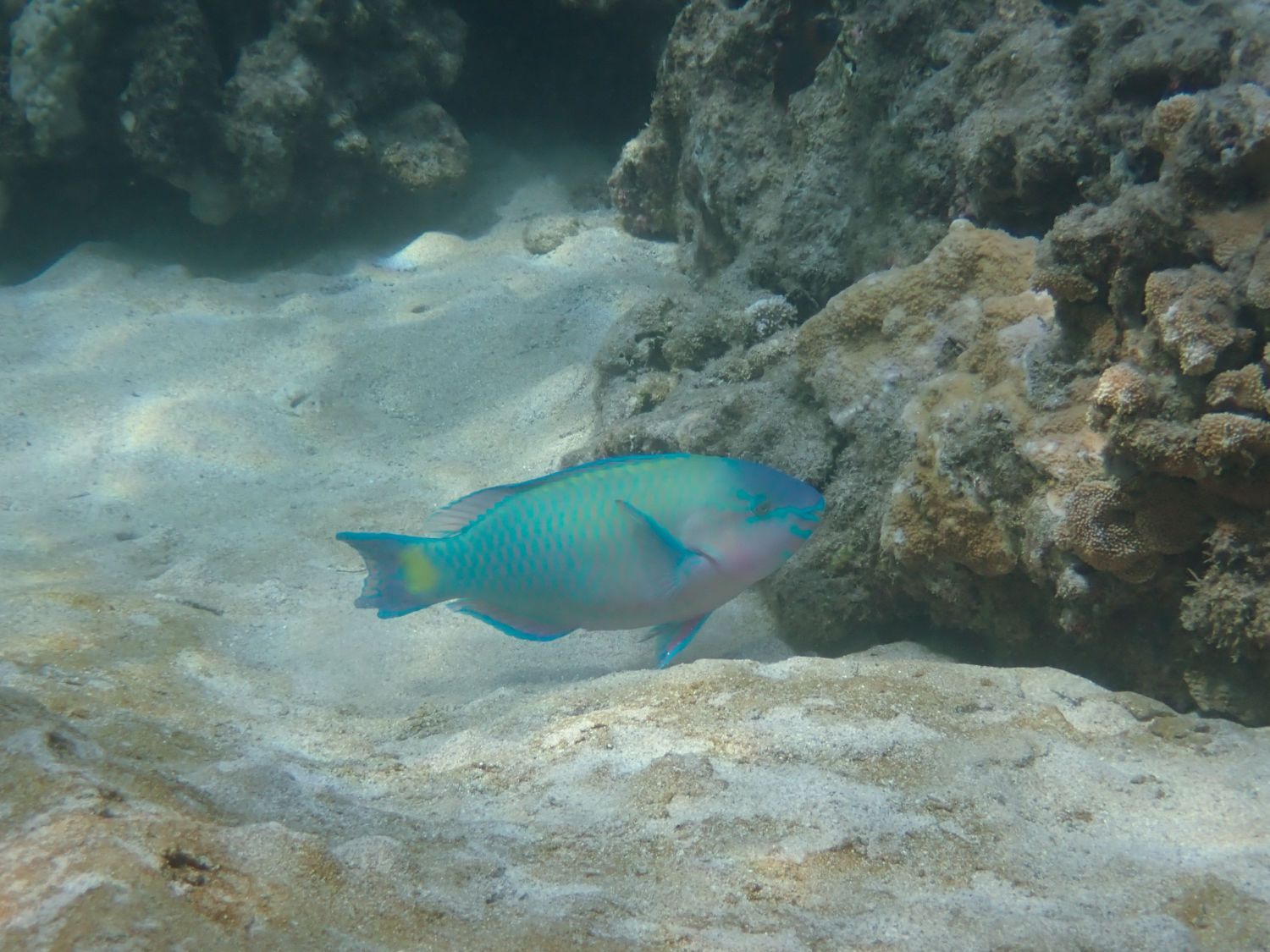
Dive Curious. Discover what others miss. Mission Recap There are a lot of organisms eating algae on a coral reef, but they are not all doing the same ecological job. Rather than simply looking for herbivores, our mission was to observe different grazers and compare how each one removes material from the reef. Over two dives, we came across a variety of grazers, from yellow tangs, to goldring surgeonfish, to parrotfish, to urchins. All of them interact with algae in some way, but once we began paying closer attention to how they feed, the word “grazer” became more complex. Not All Grazers Graze the Same Way Herbivory is one of the processes that helps to shape a coral reef. By removing algae, herbivores can influence how much space and light are available on the reef and which organisms are able to occupy the substrate. But different herbivores target different types of algae and remove them in different ways. Some fish crop algae from the surface, while others scrape tightly attached algal turf from hard substrate. Some browse larger fleshy algae. Sea urchins use a five-toothed feeding structure rasp material from the reef. So instead of asking, “What is eating algae?”, we began to ask a more useful questions: What does each feeding strategy do to the reef surface? Parrotfish Scraping the Reef
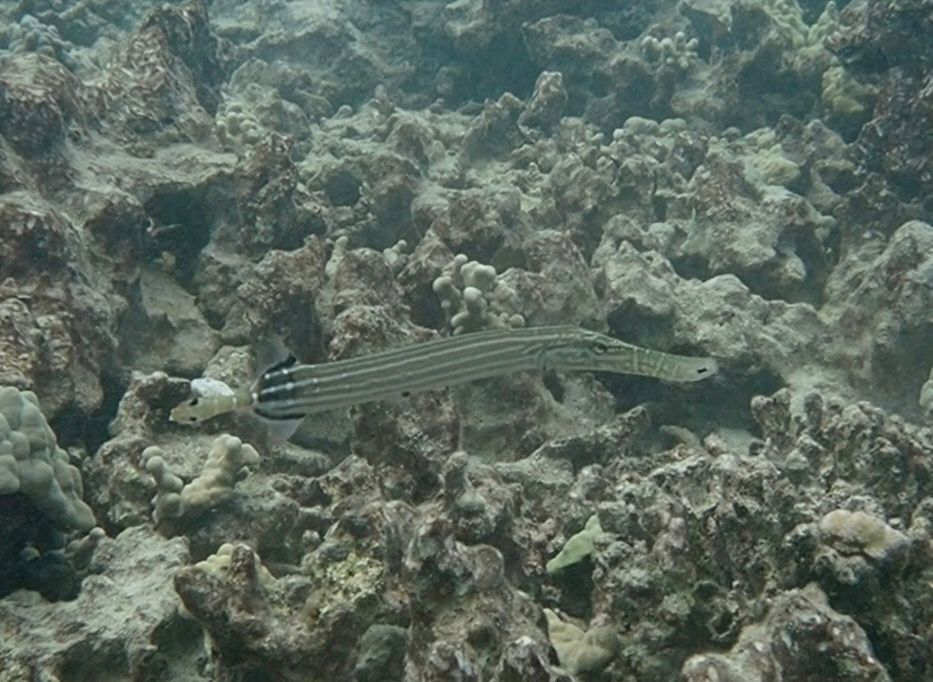
Dive curious. Discover what others miss. Mission Recap Sometimes the best way to survive on a coral reef is to make sure nobody notices you are there. For our second Science Friday, we went looking for critters doing exactly that. Our mission for Masters of Disguise was to observe organisms using different strategies to avoid being noticed. Over two dives, we found marine life disappearing against rocks, changing their appearance, and even covering themselves with material from the reef. However, camouflage isn’t always just about hiding from predators. For some animals being difficult to see helps them get close enough to catch their prey. The Trumpetfish That Changed Before Our Eyes
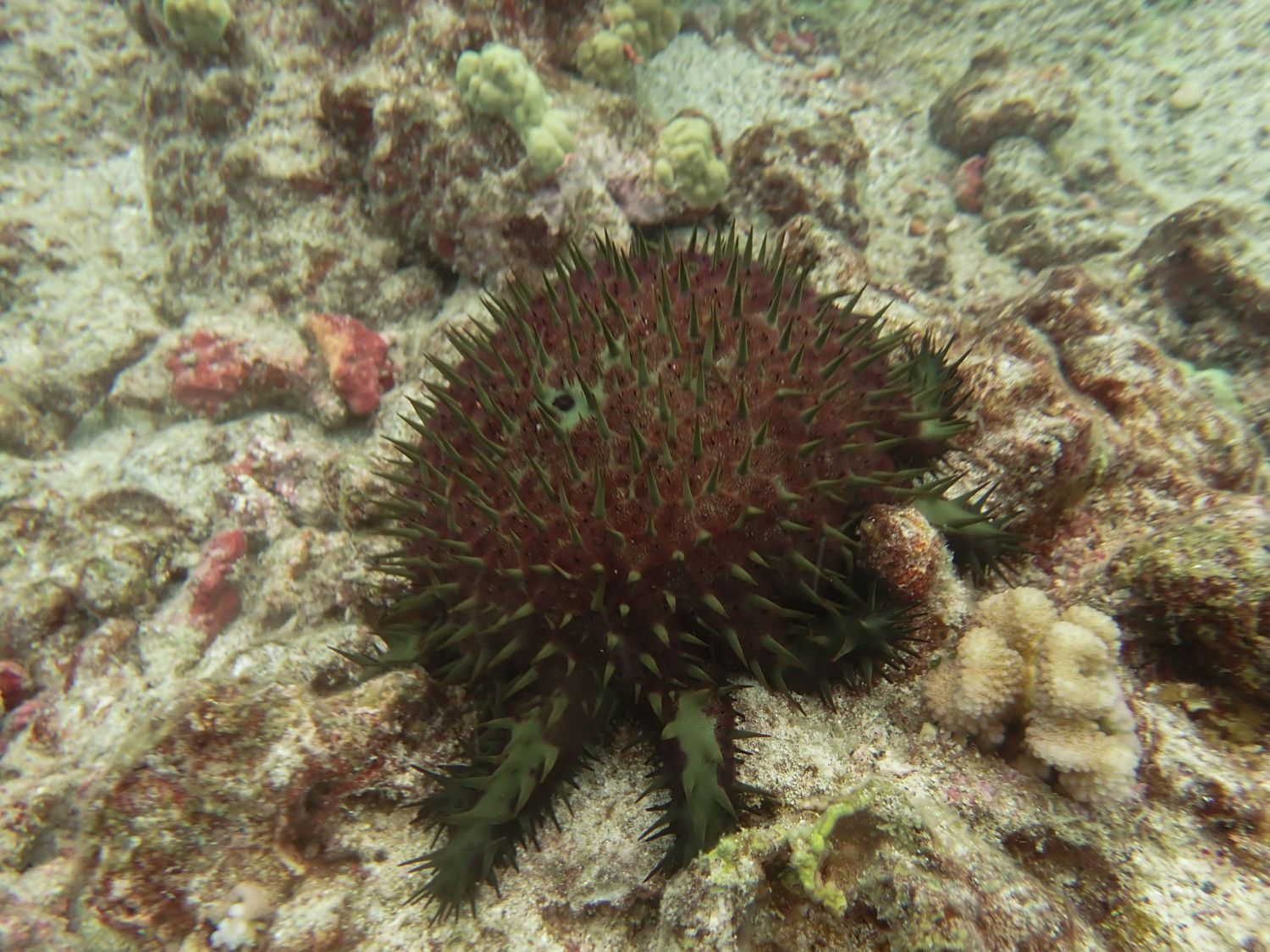
Dive curious. Discover what others miss. Mission Recap Something is always eating on a coral reef. We don't always get to see it happen, but if we know what to look for, we can often find the clues left behind. That was the mission for our first Science Friday: Who Ate That? Rather than simply looking for marine life, we spent two dives looking for evidence of feeding and asking a simple question: Who ate that? Reading the Reef One of the goals of Science Friday is to get us thinking about a coral reef as more than a collection of fish, invertebrates, and substrate. It is a community of organisms constantly interacting with one another. Feeding is one of the easiest ways to begin observing those interactions because even when we don't witness it first hand, often clues are left behind.

Dive curious. Discover what others miss.
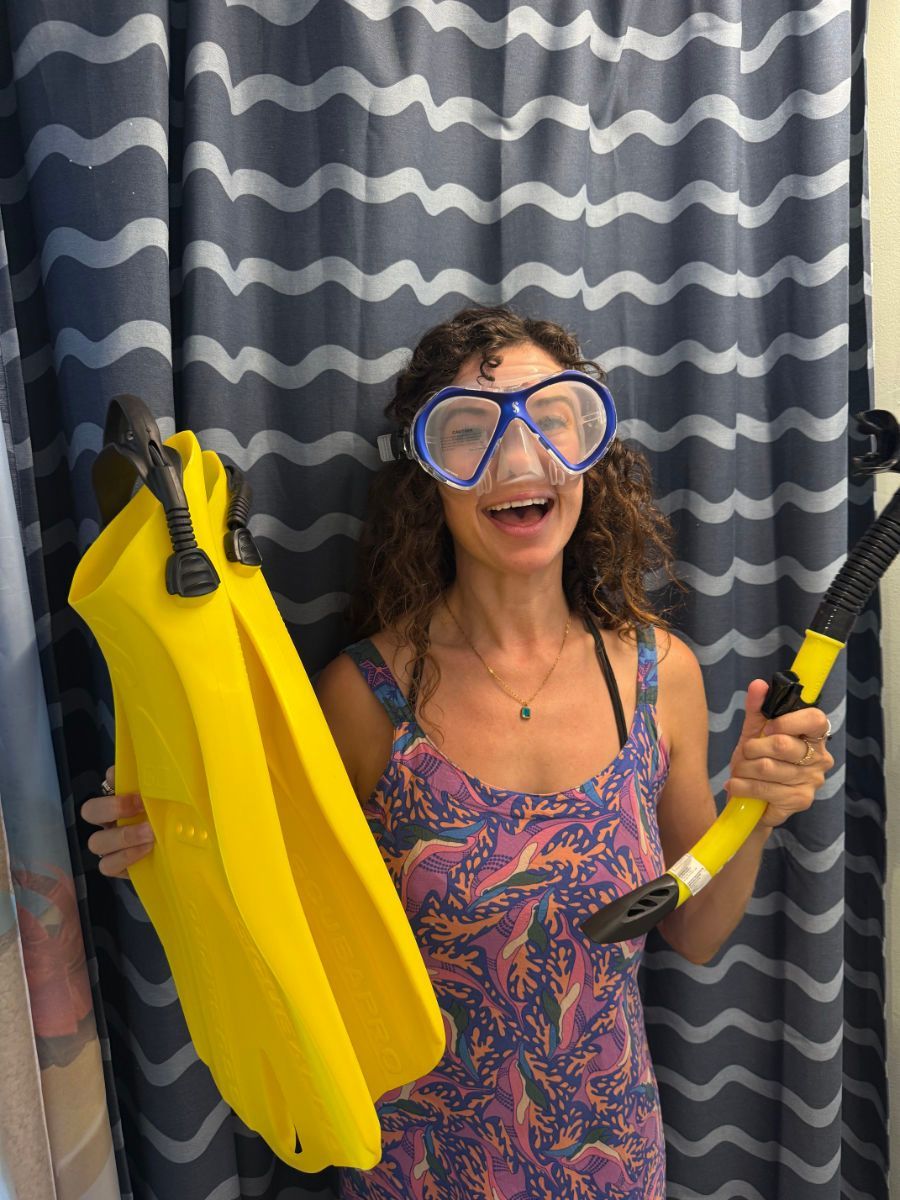
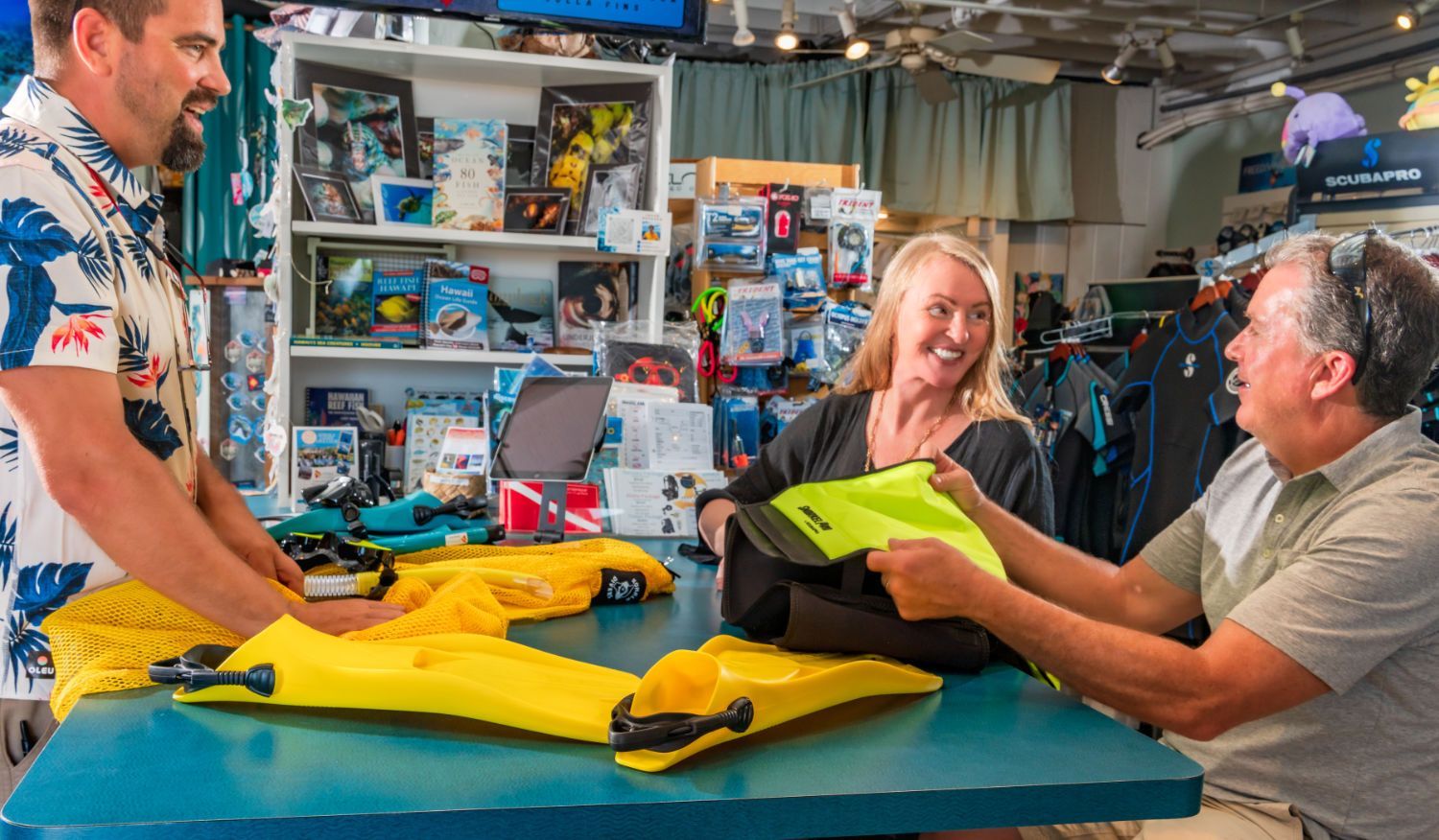
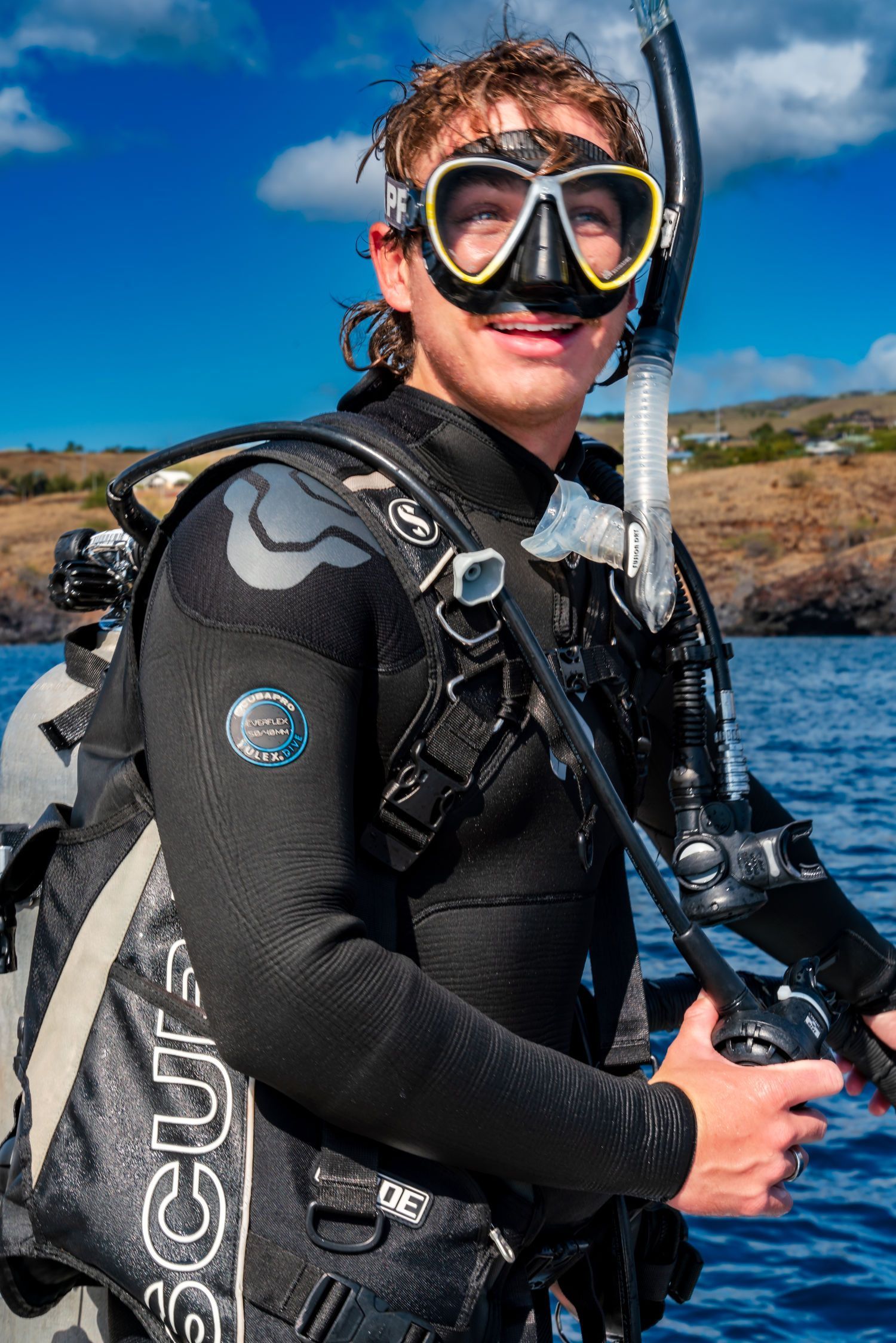
At Kohala Divers, we believe the right fit makes all the difference between an okay ocean experience and an unforgettable one. Follow these simple steps to ensure your mask fits perfectly before you explore the incredible waters of the Kohala Coast!
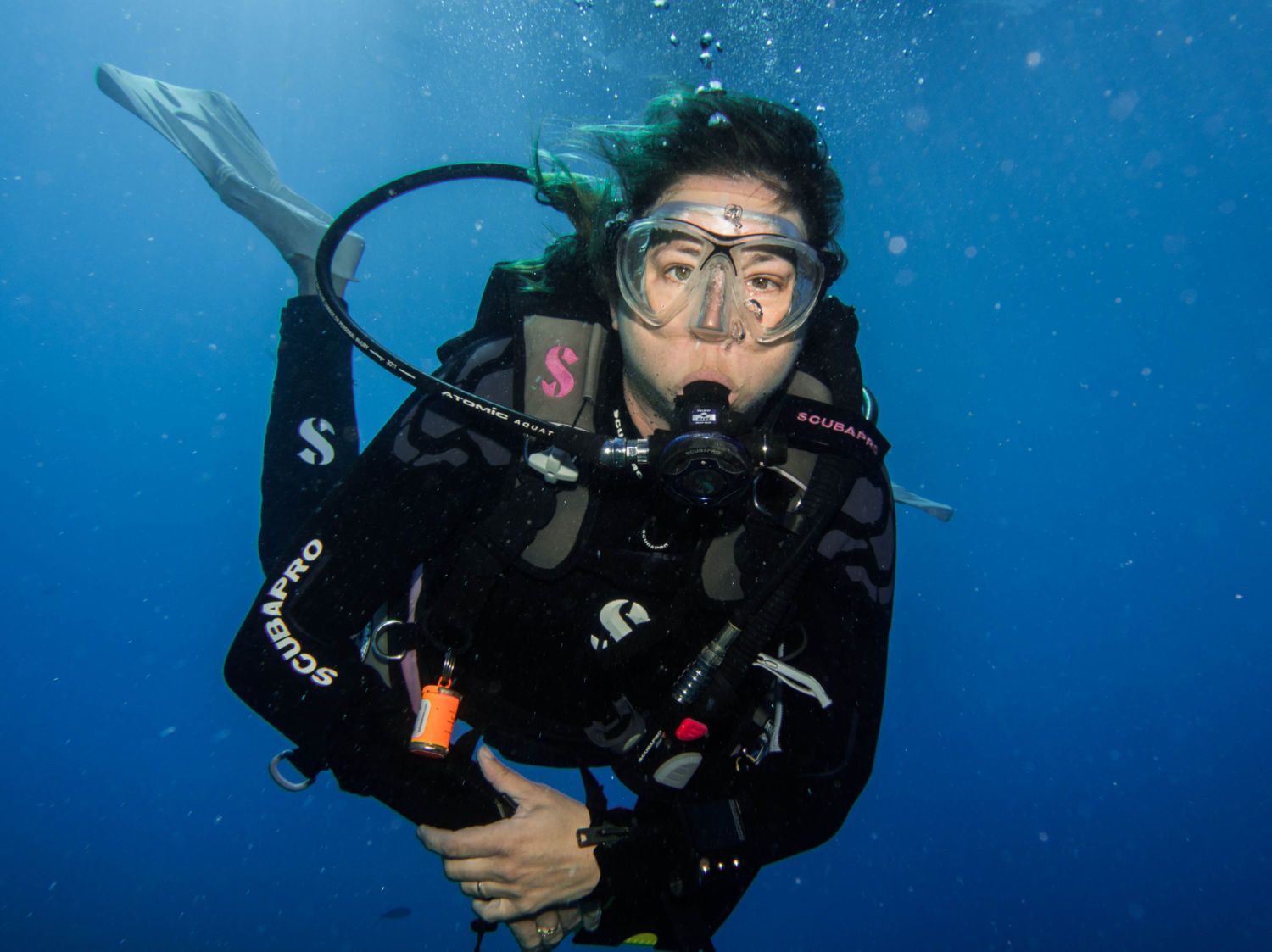
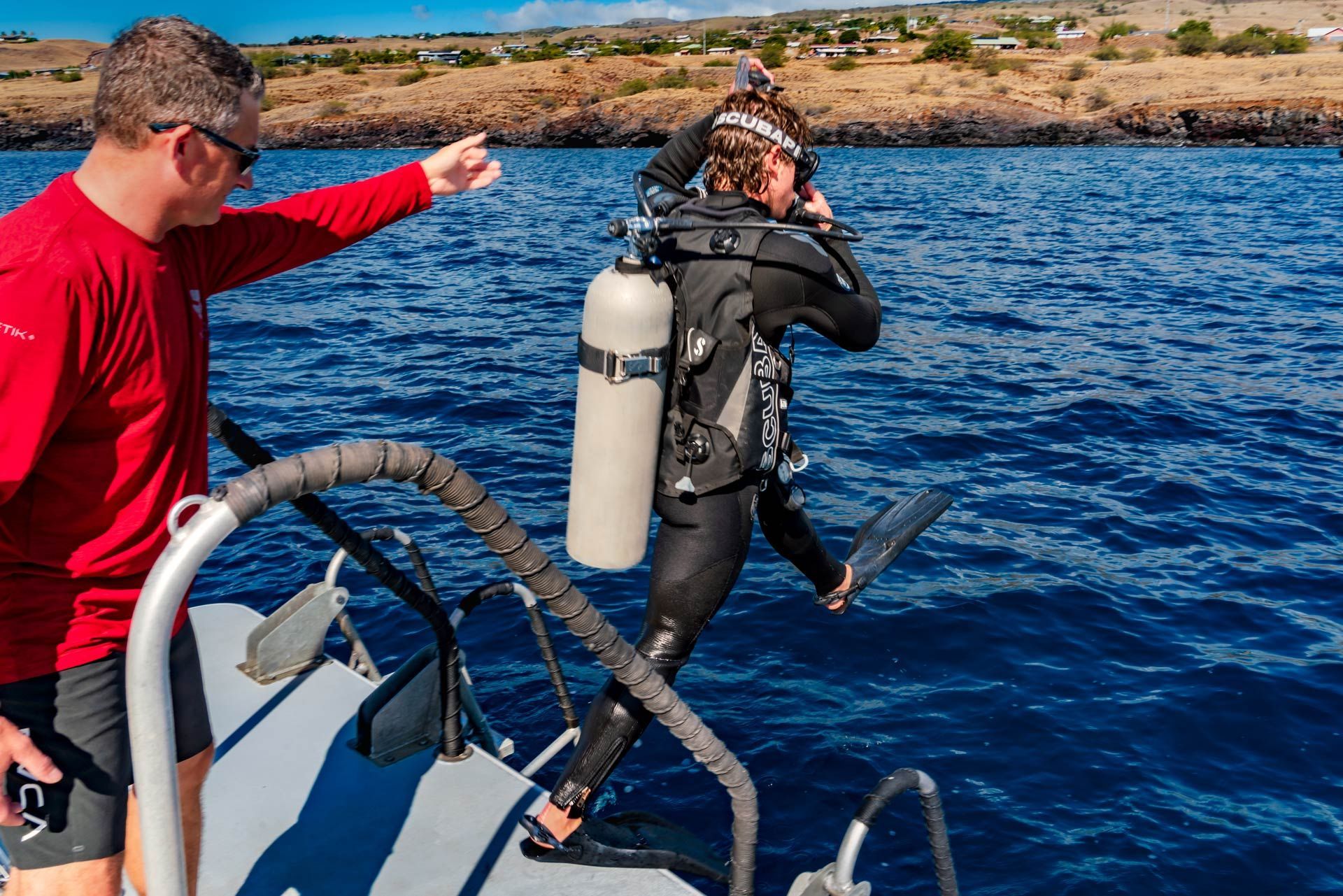
I began my journey into Scuba as a very nervous participant. I did not consider myself a very adventurous person and was coerced by a significant other to try Scuba. I was living in the pacific Northwest. Surrounded by cold and mysterious salt water bays, sounds and canals. I was fascinated by everything about the underwater world except going into an environment inhospitable to human life. When I finally was convinced to sign up for an open water scuba class I was terrified. I read the PADI manual cover to cover twice before the first class (this was before eLearning existed) I was sure there was so much technical skill and memorization I’d need to master to make it out alive from my first dive. The night before my first session I called the instructor to tell him this just wasn’t for me. I was terrified and I was pretty sure I did not have the ability to survive the pool session the next day. He asked me to please give it a try. He didn’t want to break his record of no student quitting on him and would I just get in the pool and see what happens. No pressure to continue after that. I reluctantly agreed. I over thought every skill in the pool and awkwardly made it through the skills development sessions. My instructor kept reminding me “relax this is fun”. So far to me the stress of getting it right was over shadowing any fun to be had. The weekend finally came to do the open water check out dives. We were going to a popular “easy” shore diving spot called Illahee state park. It was a pebble beach with a long wooden dock with tall tar covered pilings with muscles and seaweed growing off of the stretches exposed from the low tide. It was early fall so air temperature was mild but still we poured ourselves into double layer 7mm farmer John style wetsuits to keep warm In the frigid 44 degree water of the puget sound. 7 mm hoods gloves and boots and I no longer felt, looked or moved like a human. Our class of 5 waddled towards the sea fins in hand following our instructor and his assistant. As we donned Fin’s and defogged our masks I was mildly panicking trying to reenact everything I’d learned and imagining (dreading) going below the black surface of this frigid water. The plan was to start descending near a piling for reference. We did our buddy checks. BWRAF which of course I’d memorized from my panic studying. The other students raised their deflators. And carelessly dropped below with the dive pros. I added more air to my BC and started to cry. The assistant instructor stayed below with the other comfortable divers and my instructor re emerged from below. Did you forget which button to push to release air he asked? “No” I said “but I think I’m pretty cozy right here. Did you see how pretty the sky is today? Up here. Where we can breathe air? Without monitoring it? “ He laughed and asked if we could just put our regulators in and hold the pier and just let our heads go under. See what it’s like down there. No pressure. We can come right back up. Well ok I could handle that. As I released the air from the BC I found I didn’t drop out of control like I’d feared. In fact I could control it by exhaling. I was still pretty wide eyed and in my head but it was ok. Then Jim my instructor pointed at the piling. There on a slimy black mound of algae was the most fluttery, colorful nudibranch you could imagine. Just slowly sliming his way along the pier. He had spiral spikes coming from his head and soft feathers coming from his back. I’d never seen anything like it. I moved closer and saw scattered below that was starfish in multiple colors laying over each other in a kaleidoscope of colors. Below that anemones opened and closed as they swayed in a gentle back and forth motion. Keeping to his word Jim gave me the thumbs up to signal we could kick back to the surface from the 8 feet we’d descended. Before I could even get the regulator out of my mouth I was babbling about how cool the slug was and did he see the starfish and what was that soft sock looking thing with tentacles. I was giddy. He just smiled. Want to join the others for open water dive one. YES. Once I got out of my head I enjoyed every minute under water. The sinking descent controlled by an exhale. The tiniest touch to your Bouyancy device allowing you to position and stay weightless. The ease of sipping just the air you need without thought. The sound of bubbles that take over the chatter from above. I’d found my happy place and I’ve never looked back. Fast forward 25 years later and I own a PADI 5 star dive business on the big Island of Hawaii. I’ve worked as a dive instructor for my entire career and now get to provide an environment for other budding instructors to live their passion and bring more new divers into the world of SCUBA. To this day my favorite part of teaching diving is to those that it doesn’t come easily to. Bring me your terrified, your nervous, your overthinking land lovers that are curious about what it’s like beneath the sea and willing to try something they are scared of. When my good friend Christine expressed interest in giving diving a try I was drop jawed. Since I’d known her she could barely get on a boat. Swimming in a 4 foot swimming pool conjured up fears of the megaladon for her. Perfect I thought. I’m always up for a challenge. Her drive to learn scuba was to be part of her family’s adventures since they were divers. Also she wanted to prove to herself she could face her fears. For many fear of deep water runs deep. Since it’s my passion to help new divers overcome fears and find peace underwater I wanted to learn more about where these fears come from. Here are the main reasons people fear deep water:
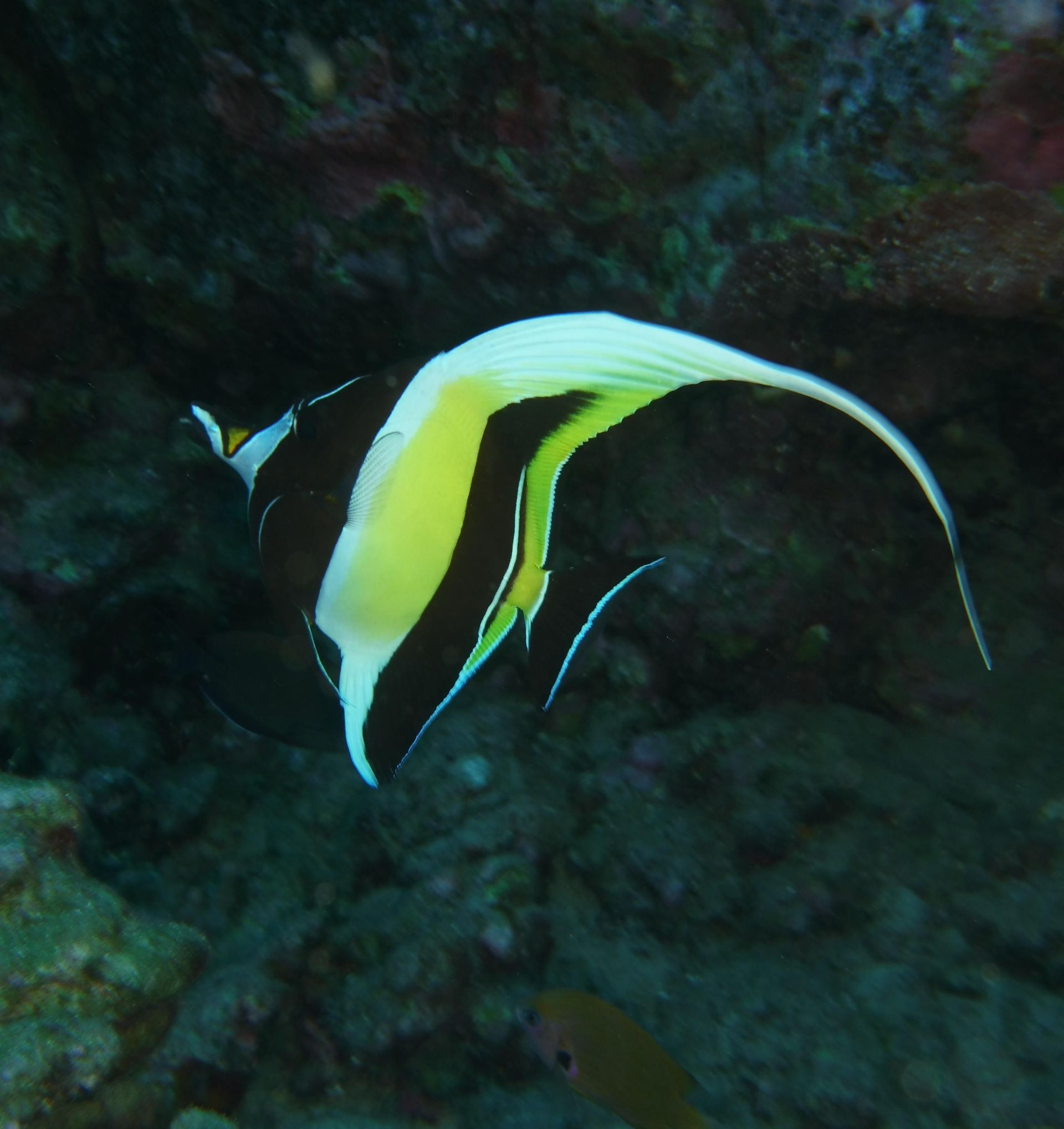
Exploring the underwater world for the first time can be life changing!!
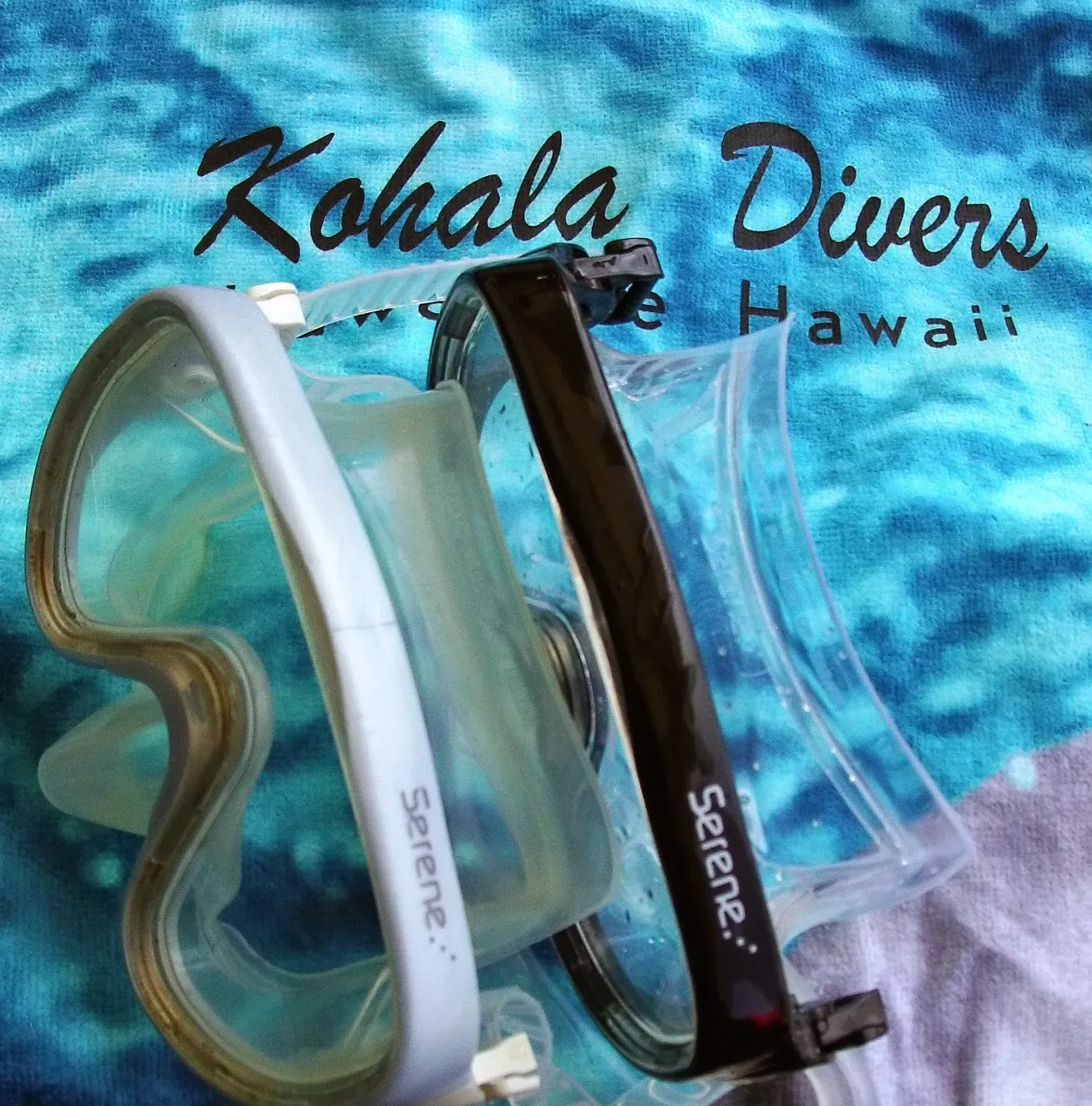
Is this you?!?! Do you exhale in your socially-distant mask and fog your glasses? Well, the people who de-fog your scuba mask have some advice: