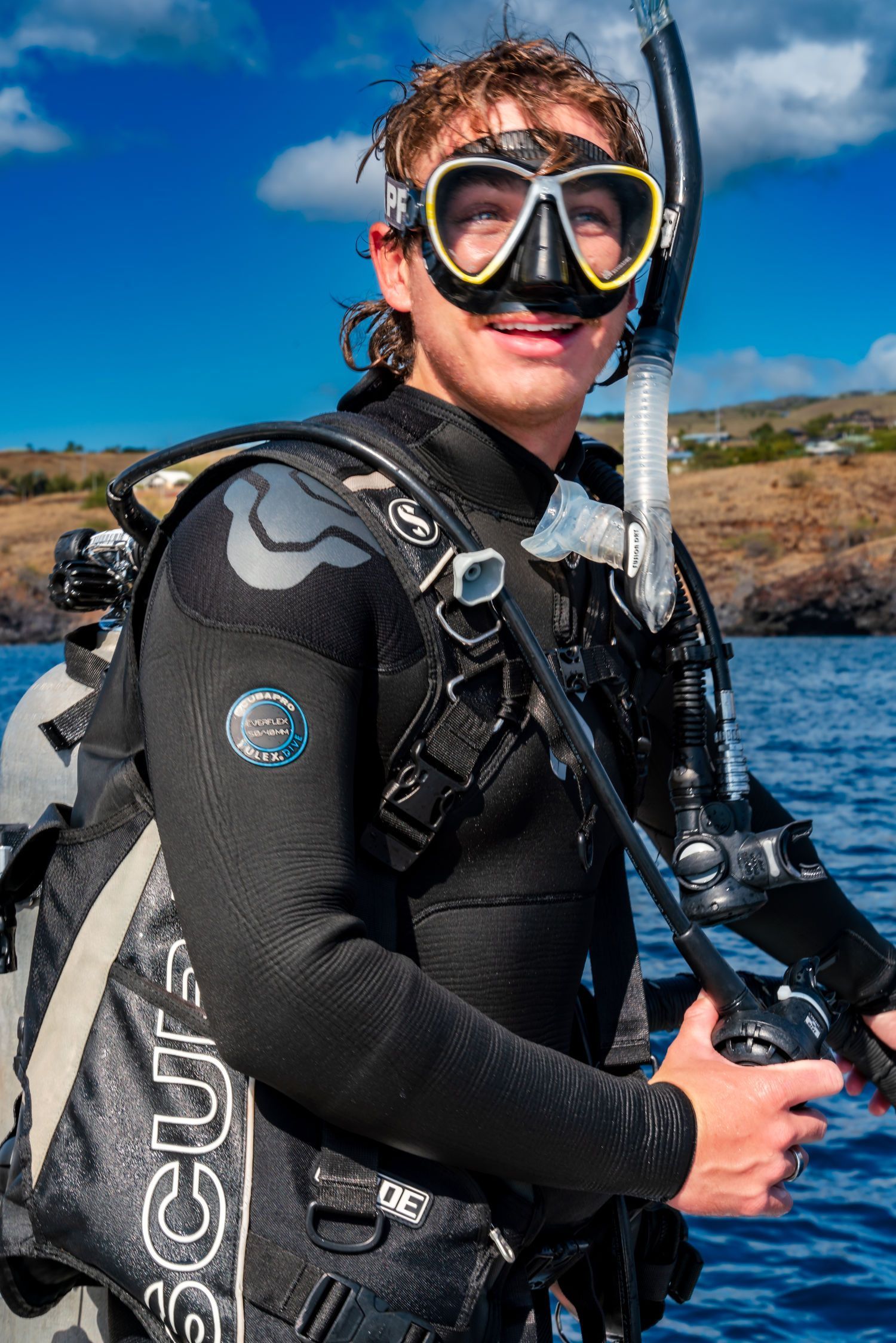


Kohala Coast Dive Buds: Gunner Ganske

Brad • September 30, 2026

What's your dive deal? What keeps you diving?

What keeps me diving is the perfect balance of adventure and peace. Every dive is a new opportunity to explore the wonders and mysteries of the underwater world. There's something incredibly peaceful about being beneath the surface, where the noise of everyday life fades away and you can simply be present in the moment. It's my happy place, and no two dives are ever the same.

Gunner Ganske, Kohala Coast Dive Buds

What's your underwater super power?

My underwater superpower is navigation and my very chill dive vibe! I have a great sense of direction underwater and a calm, relaxed approach to every dive. I just go with the flow and enjoy the adventure!

What's your funniest or most bizarre dive memory?

Top of the list! We were shore diving at Kapa'a on a beautiful March day with fantastic visibility, and might I mention, some pretty chilly water! As we were getting ready to enter the bay, a group of divers was just finishing their dive. We had the typical diver conversation: How was your dive? What did you see? Where do you like to dive? As we were getting situated to descend, we started noticing some interesting things floating on the surface and in the water column. Upon closer inspection, we realized there were $20 and $100 bills floating EVERYWHERE! Apparently, the divers had put their cash in a small dry box that popped open as they exited the water! By this time, they were already up at their car, taking off their gear. We started yelling for them to come back, but between the incoming waves and the distance, they couldn't understand us. They were tired and getting a little annoyed that we kept calling them back down to the water! They finally made their way back to see what we needed, and you should have seen their faces when we handed them wads of their lost cash! Definitely one of the funniest and most unexpected underwater treasure hunts we've ever had!

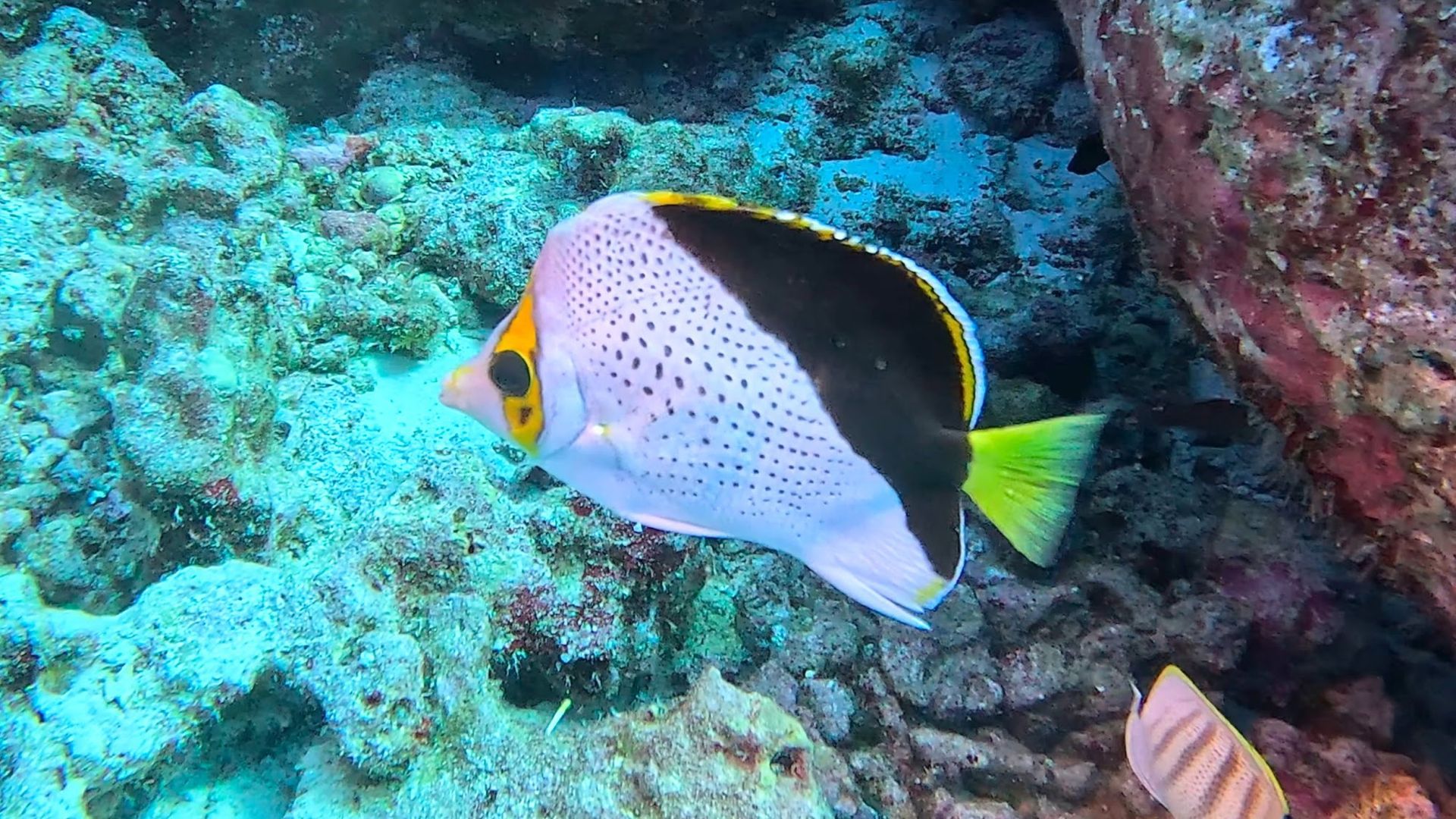
Tinker's butterflyfish on the reef, photo by Gunner Ganske

Is there one dive that stands out as your top dive ever?

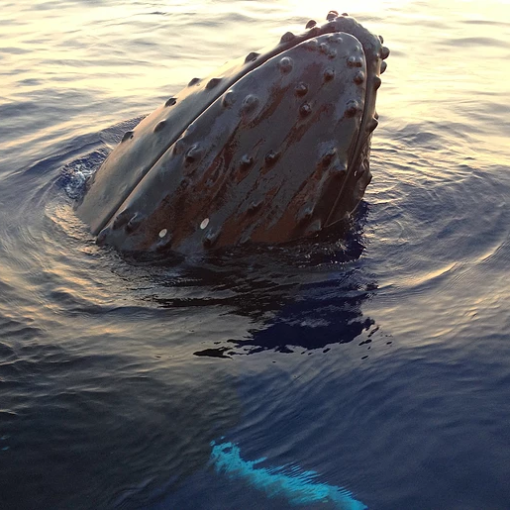
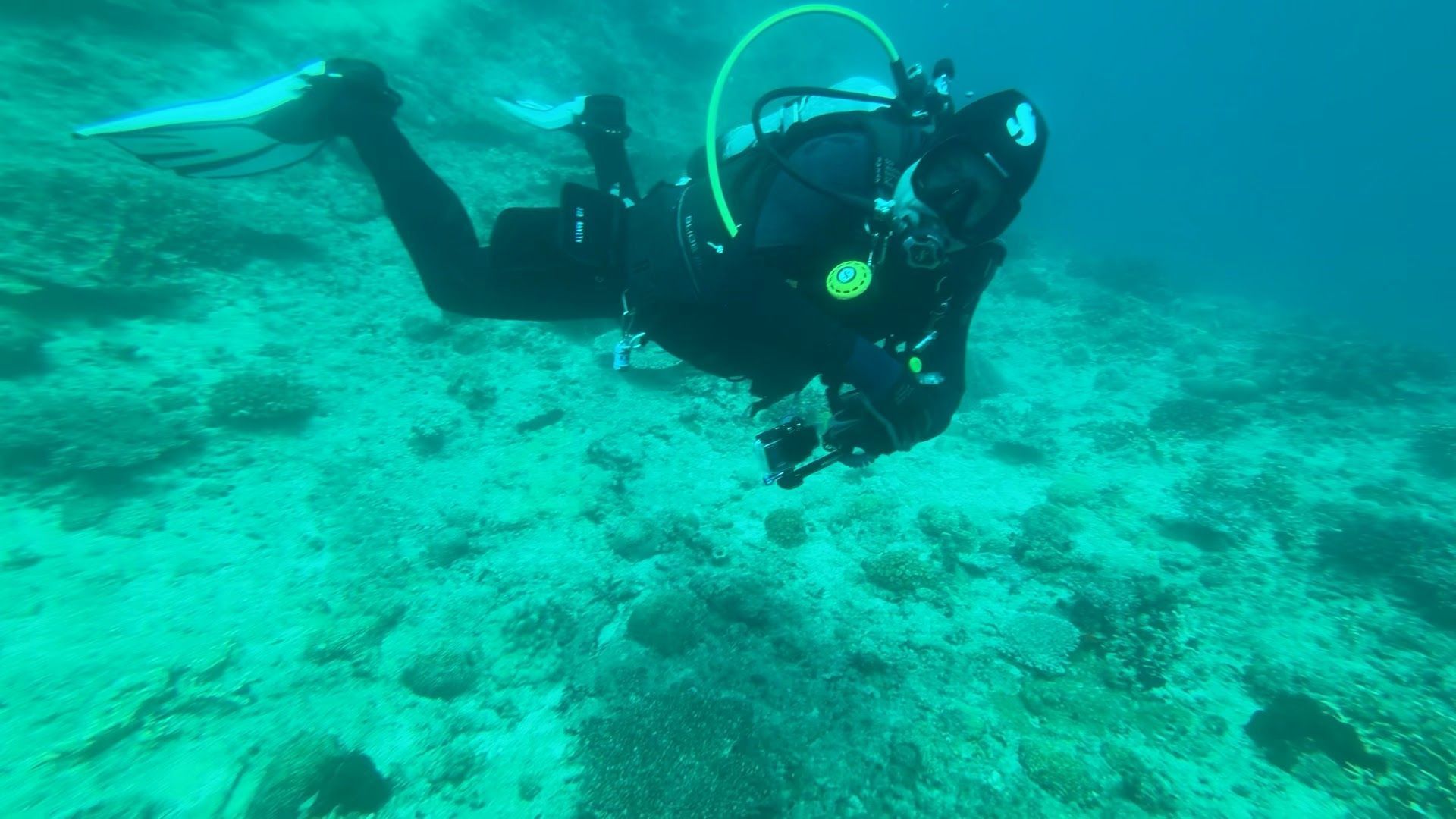
One of my most unforgettable dives was at Mahukona on the Big Island of Hawaii in February. It was a beautiful winter day, diving with friends at one of our favorite spots, a little reef island we call "Fish Island." We were about 70 feet down, enjoying incredible visibility and an extra fishy reef that day! As usual, we were exploring the reef while listening to the magical songs of the humpback whales all around us. Then, I looked up and there they were: a mother humpback whale, her calf, and an escort! We watched as the mother gently helped her calf to the surface for air. Seeing that incredible interaction up close was absolutely magical. Having a full grown humpback whale fill your entire field of vision is something words can hardly describe. It was one of those rare, breathtaking moments underwater that I will treasure forever!

What is your most unexpected underwater animal encounter?

One of my most unexpected underwater encounters was with a very curious Hawaiian monk seal that decided to spend an entire dive with us! About five minutes into our dive, it joined us and stayed until the very end. Not only did it explore the reef with us, but it was even more interested in exploring US! At one point, it was playfully tugging on our fins, and then it swam right underneath me, coming face to face to check out my mask, or maybe its own reflection in it! It was incredible to experience just how curious and interactive this amazing animal was. Such a fun, unexpected, and unforgettable dive!

What's the biggest rookie move you've ever done on a dive?

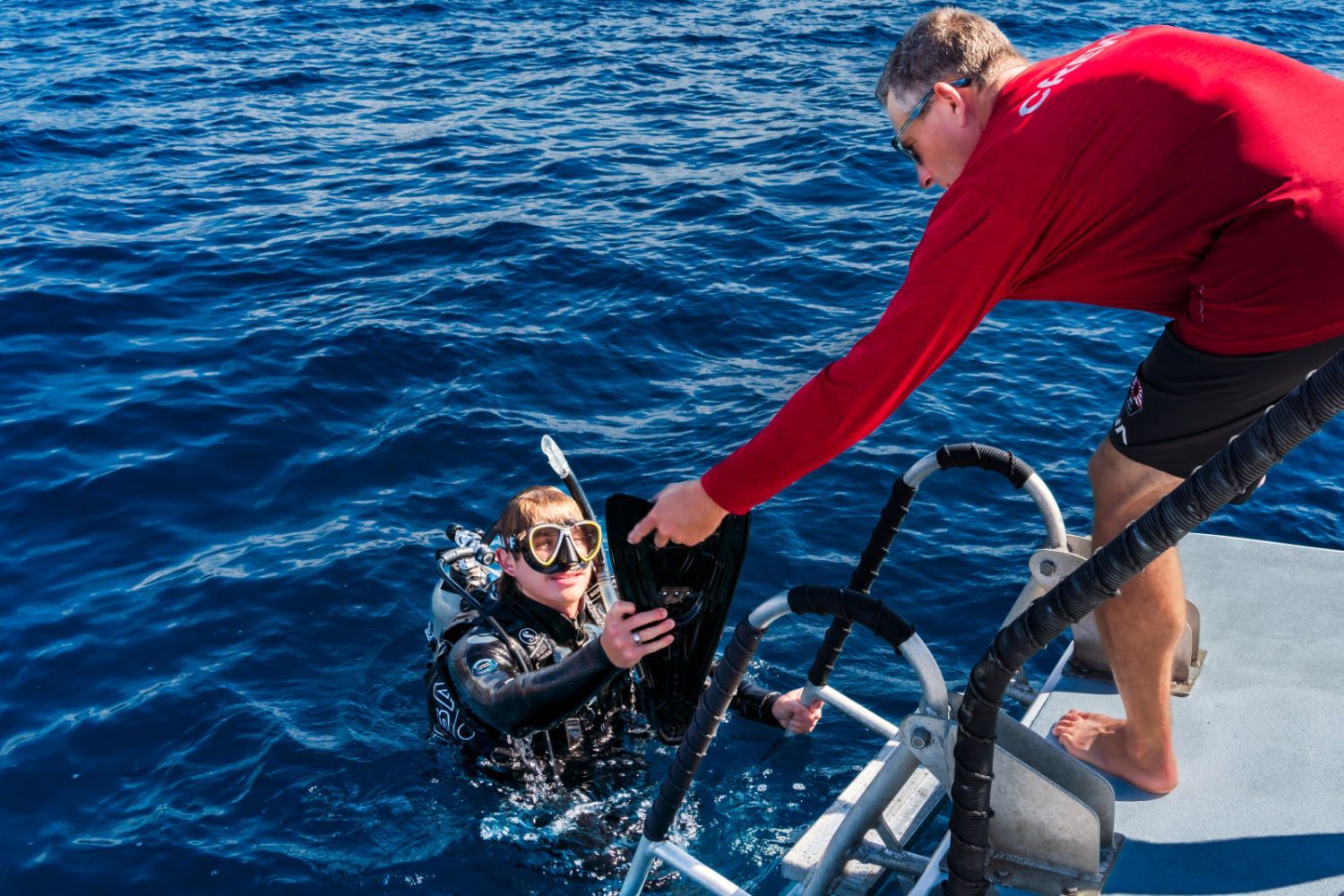
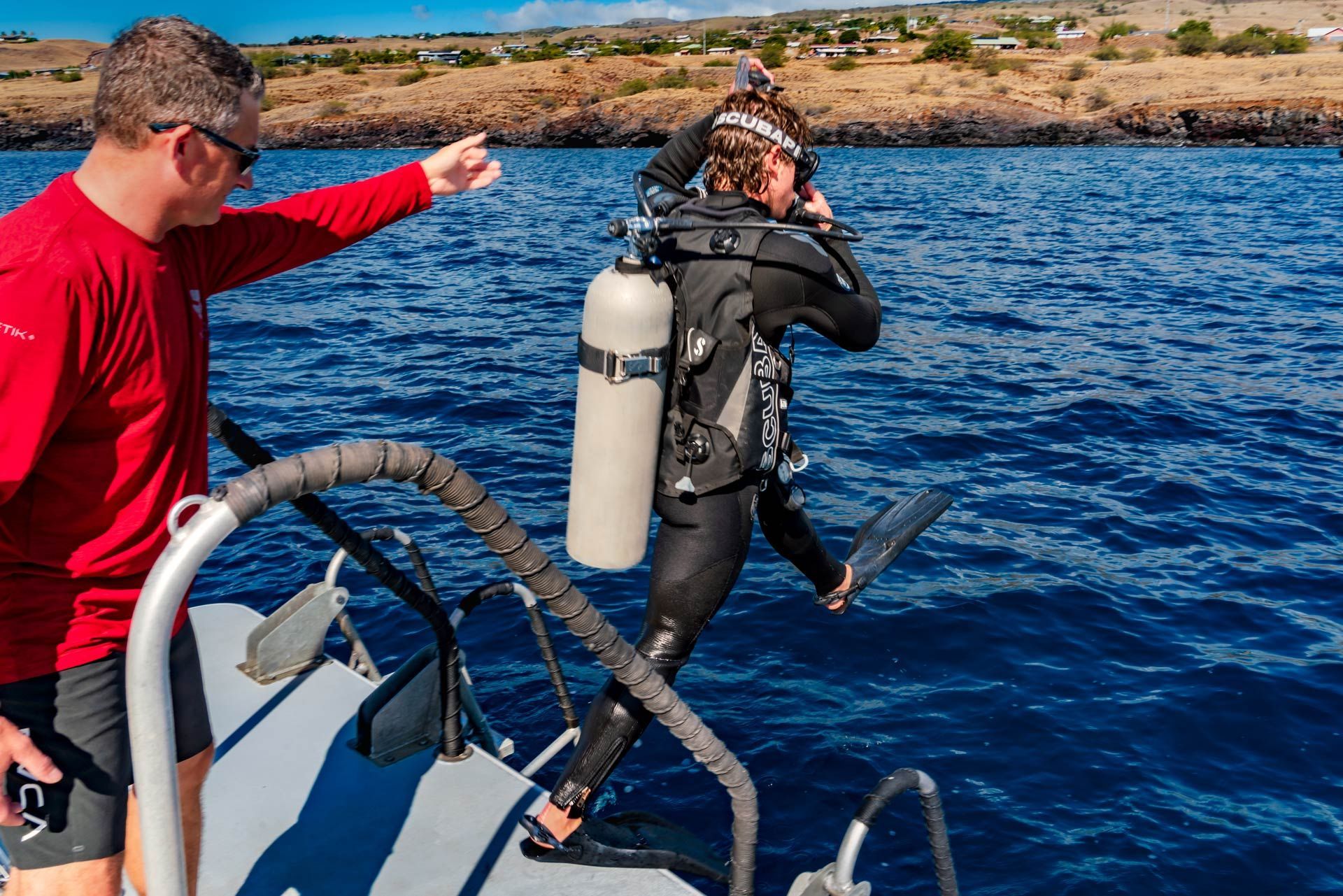
Well, that's an easy one! Jumping off the boat without my fins! ROOKIE MOVE 100%! Nothing like hitting the water and realizing you forgot a pretty important piece of equipment! A little embarrassing, but definitely good for a laugh and a reminder to always double check your gear!

What underwater creature do you think is underrated?

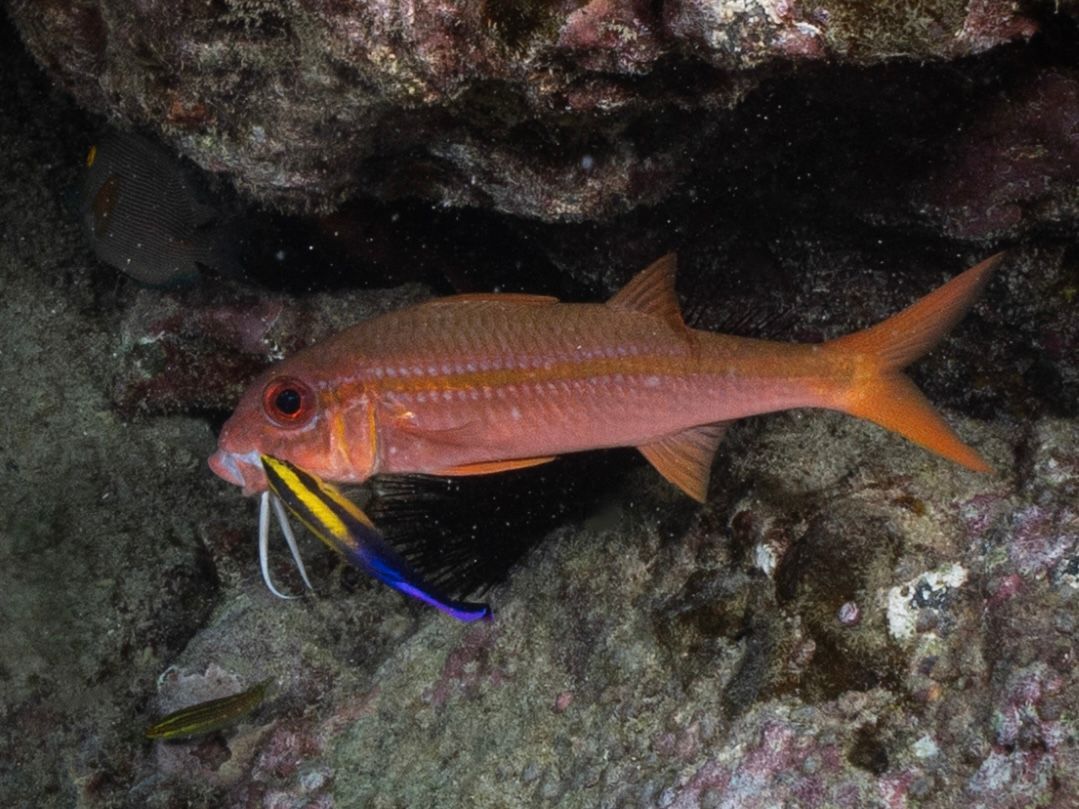
The Hawaiian cleaner wrasse! These little guys are absolutely fascinating and so underrated! They're the reef's tiny cleaning crew, working hard to keep other fish healthy. I love watching the interactions at their cleaning stations as fish line up for a little underwater spa treatment! They may be small, but they have BIG personalities and play such an important role in the reef ecosystem!

What's one ocean conservation habit you'd love to see more of?

Easy! Better buoyancy control! Being aware of your surroundings, keeping your fins off the reef, and avoiding accidental contact with marine life can make a huge difference in protecting our underwater world. A little more buoyancy awareness goes a long way toward keeping our reefs healthy and beautiful for generations to come!

What's one piece of dive gear that makes your dives remarkably better?

A good dive flashlight! Even on a beautiful, clear water dive, a great light brings the reef to life! It reveals incredible colors, illuminates hidden little creatures, and lets you explore all the nooks and crannies you might otherwise miss. It makes every dive that much more exciting!

Hawaiian cleaner wrasse cleaning a goatfish at a reef cleaning station
By Brad • September 30, 2026
Cleaner wrasses, an octopus hunting with a goatfish, and goatfish guarding the exits for a moray. What we saw on Science Friday 005: Critter Buddy Systems.
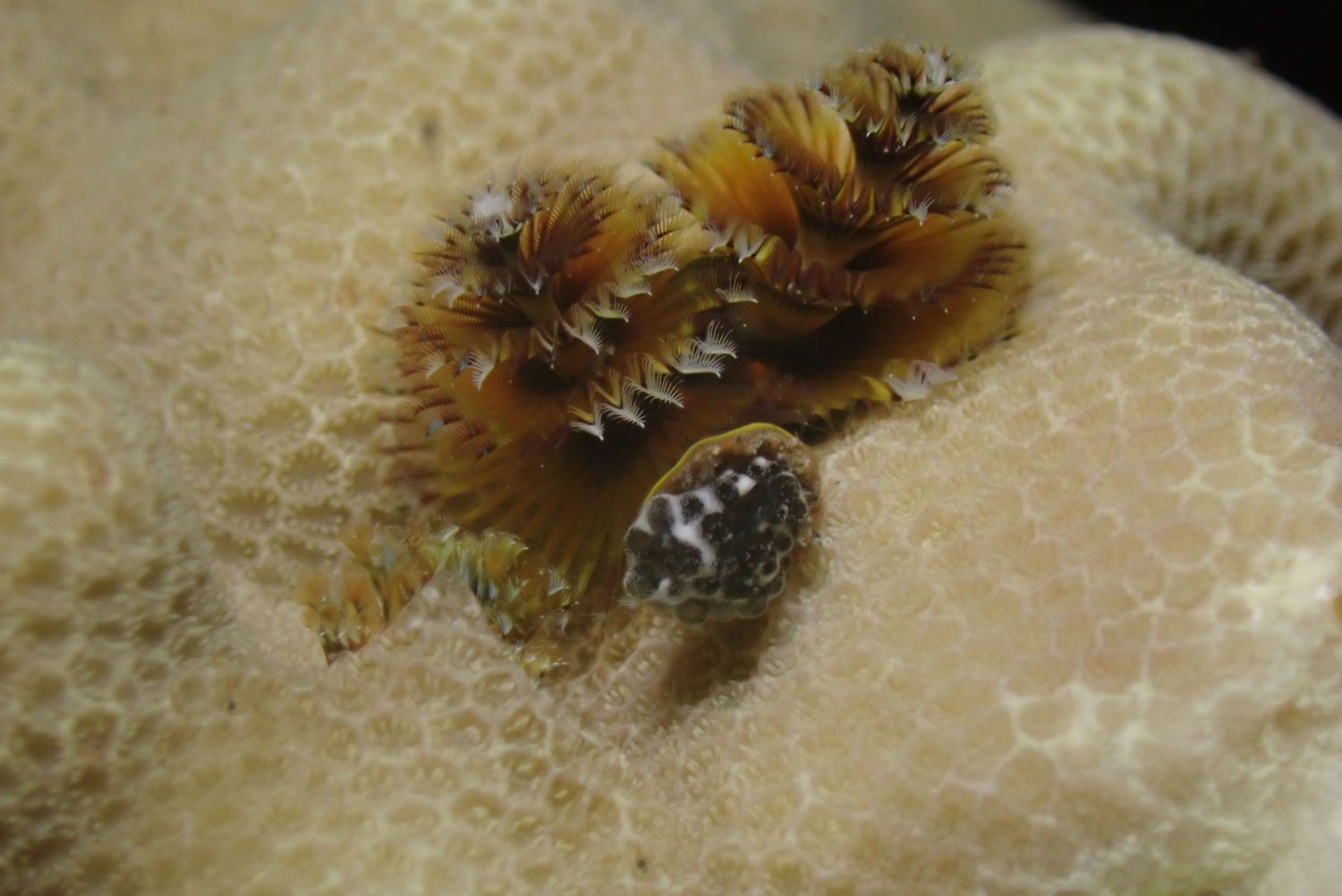
Close-up of a Worm Christmas Tree
By Brad • September 17, 2026
Dive Curious. Discover what others miss. Mission Recap Most of the animals we notice on a coral reef are the ones swimming above it, crawling across it, or sitting somewhere we can easily see. However, much of the reef community lives somewhere else. That was the mission for our fourth Science Friday: Hidden in the Reef. Instead of looking across the reef, we spent two dives looking into it. We searched beneath ledges, inside holes, between coral branches, along lava tube ceilings, and into the cracks and crevices that can be easy to swim past. Among what we found were marbled shrimp and pied brittle stars tucked deep inside the reef; colonies of orange cup coral growing from lava tube ceilings, christmas tree worms filtering food from the water, yellow spotted guard crab living among coral branches, and even a hawaiian day octopus. A coral reef is filled with small habitats hidden within the larger landscape. A hole only a few inches across can offer protection from predators, while the space between coral branches can provide both shelter and access to food. Beneath an overhang, reduced light creates conditions that favor organisms able to live without direct sunlight, while water moving through a narrow crevice can carry suspended food for animals waiting inside. Ecologists often describe these localized environments as microhabitats. Small differences in light, water flow, exposure, available space, and protection can create very different living conditions within only a few feet of reef, helping determine which organisms are able to live there. Once we started searching those spaces, organisms that are normally easy to overlook began appearing everywhere. Hiding Until Dark
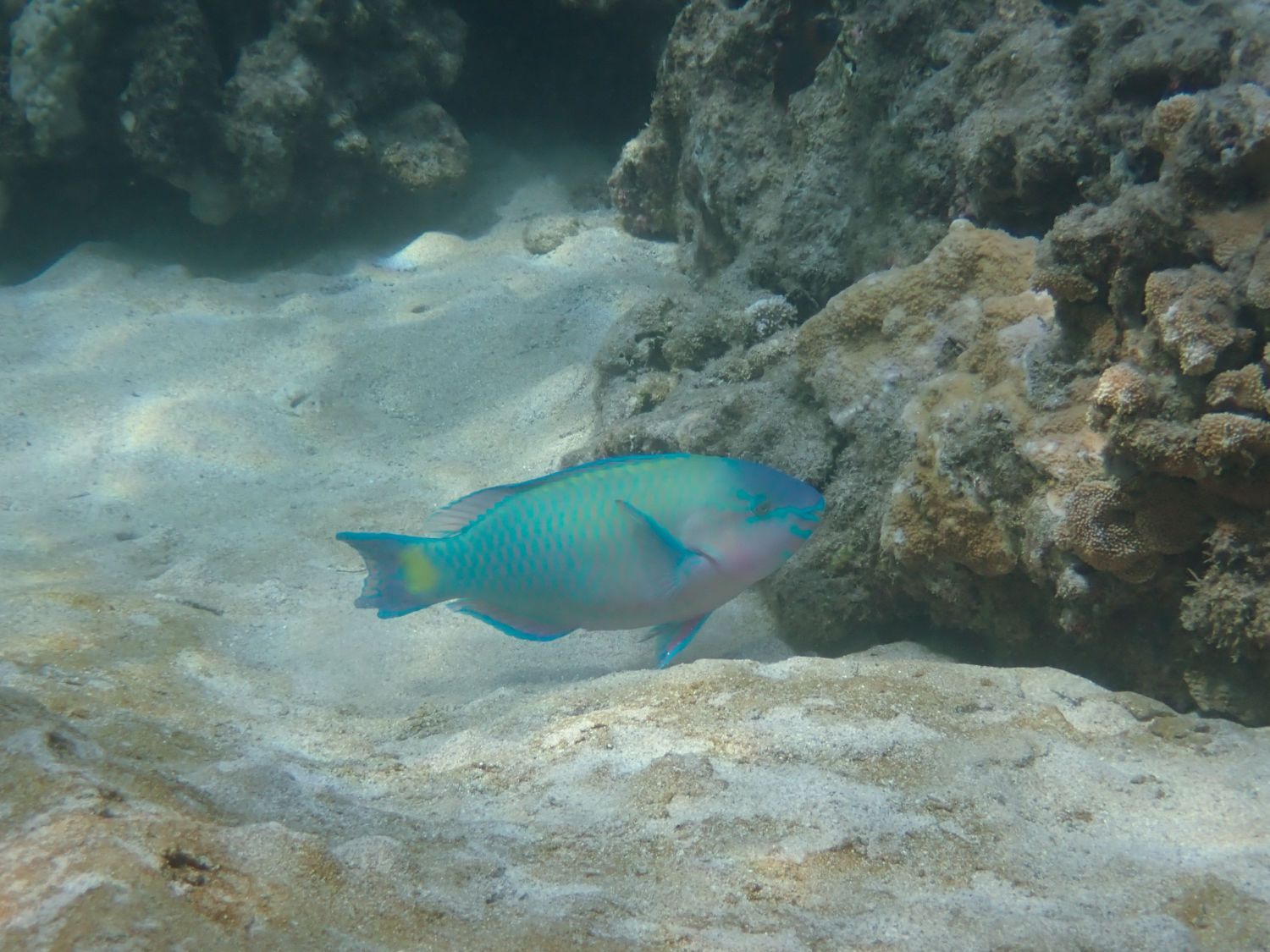
Turquoise parrot fish swimming over a sandy reef beside coral rocks
By Brad • September 9, 2026
Dive Curious. Discover what others miss. Mission Recap There are a lot of organisms eating algae on a coral reef, but they are not all doing the same ecological job. Rather than simply looking for herbivores, our mission was to observe different grazers and compare how each one removes material from the reef. Over two dives, we came across a variety of grazers, from yellow tangs, to goldring surgeonfish, to parrotfish, to urchins. All of them interact with algae in some way, but once we began paying closer attention to how they feed, the word “grazer” became more complex. Not All Grazers Graze the Same Way Herbivory is one of the processes that helps to shape a coral reef. By removing algae, herbivores can influence how much space and light are available on the reef and which organisms are able to occupy the substrate. But different herbivores target different types of algae and remove them in different ways. Some fish crop algae from the surface, while others scrape tightly attached algal turf from hard substrate. Some browse larger fleshy algae. Sea urchins use a five-toothed feeding structure rasp material from the reef. So instead of asking, “What is eating algae?”, we began to ask a more useful questions: What does each feeding strategy do to the reef surface? Parrotfish Scraping the Reef